Thinking about selling in West Sedona and not sure when to step onto the market? The right timing can lead to more showings, quicker offers, and stronger terms. You want a plan that works with Sedona’s seasons, visitor flow, and local logistics. In this guide, you’ll learn when the market usually peaks, how to align your prep, and what to expect in each season so you can list with confidence. Let’s dive in.
Best months at a glance
- Spring, roughly March to May, is typically the strongest window for buyer demand and favorable days on market.
- Fall, roughly September to November, is a close second with cooler weather and strong visitor traffic, though the window is often shorter and less predictable.
- Summer and winter can still work well with the right strategy. Expect lower overall volume in many years, but also less competition.
- Always check the latest local MLS snapshot for West Sedona before you finalize a listing date, since inventory and rates can shift the exact peak.
Why timing matters in West Sedona
West Sedona attracts a high share of second-home, vacation, and retiree buyers. Many of these buyers visit in person, so seasons with higher visitor traffic tend to bring more showing activity. Weather shapes how your home photographs and how enjoyable showings feel, which affects first impressions.
Spring and fall usually deliver the best curb appeal and lighting. Summer heat and monsoon storms can suppress in-person tours, while winter is quieter but can appeal to buyers seeking a peaceful retreat. Tailoring your approach to each season helps you meet buyers where they are.
Spring listing playbook (March–May)
Why spring works
Spring combines comfortable temperatures, attractive landscaping, and peak buyer activity. Well-priced homes often see faster offers because more qualified buyers are in the market at once. If your home shows well outdoors, spring conditions highlight patios, gardens, and views.
How to prepare for spring
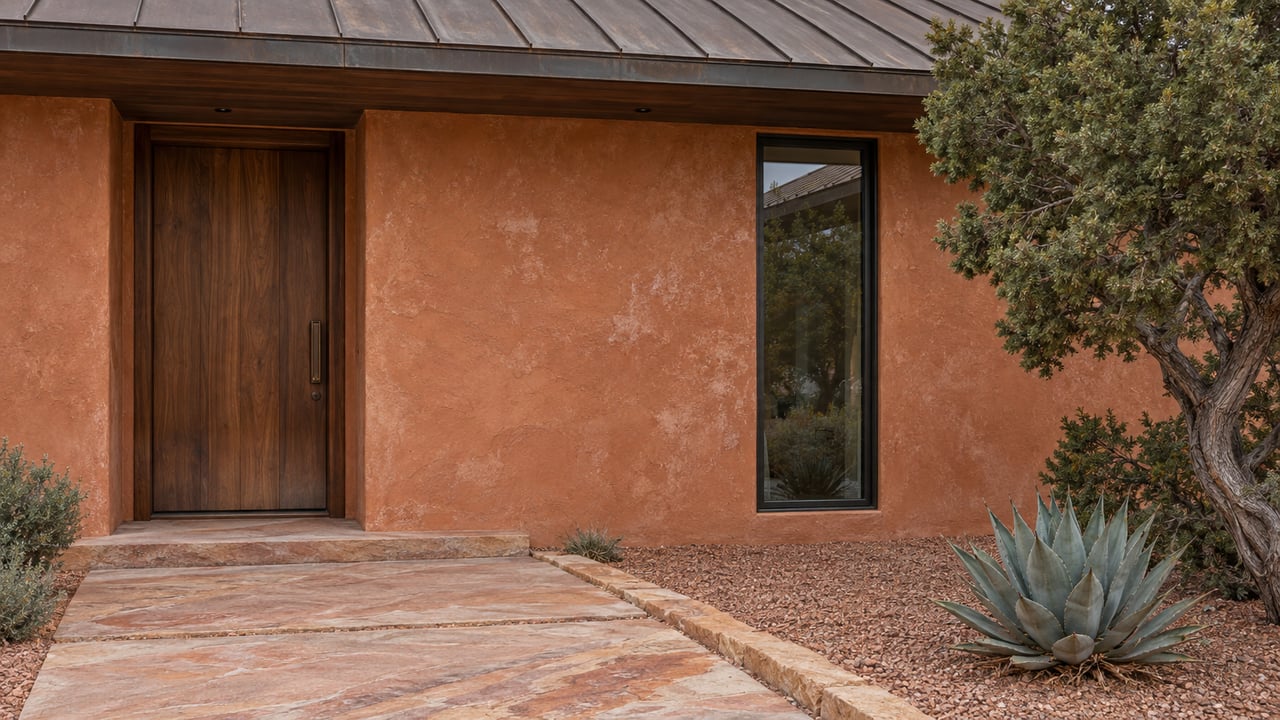
- Refresh landscaping and add seasonal color to boost curb appeal.
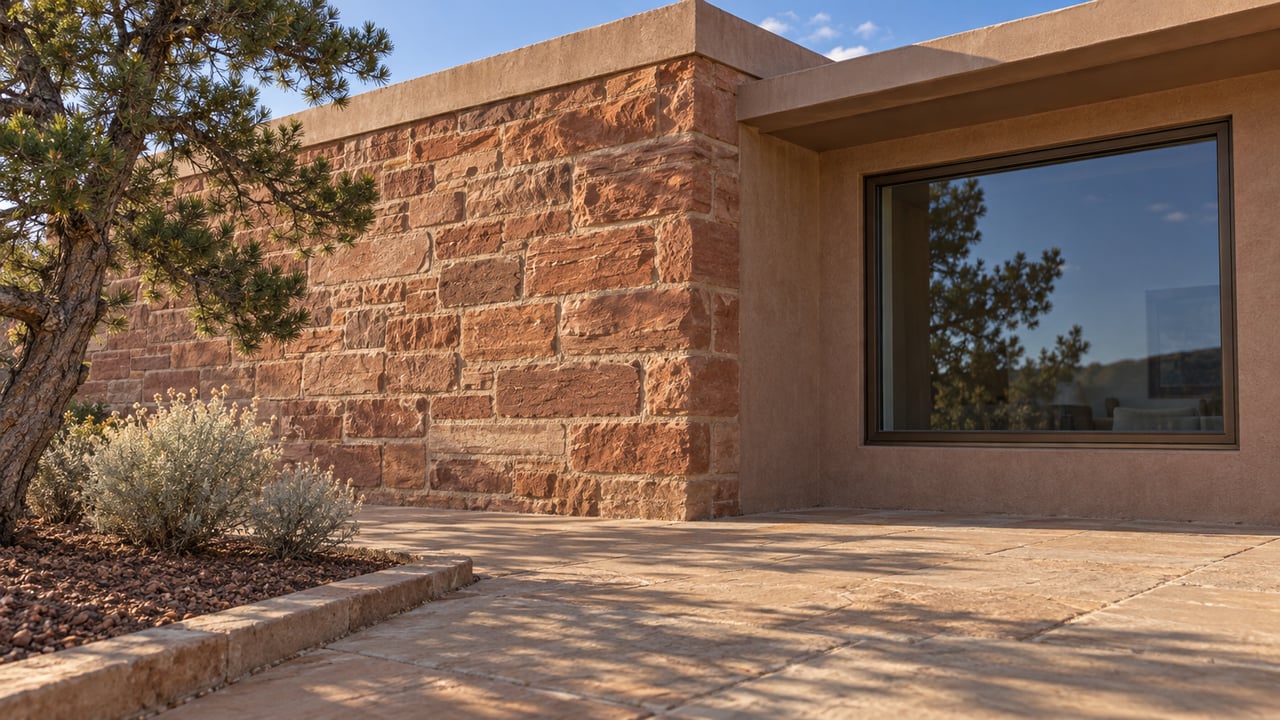
- Schedule professional photography during a clear, bright window to capture the red-rock backdrop.
- Declutter patios and power-wash walkways so outdoor living reads as turn-key.
- Finalize permits, septic or well records, and disclosures so you are ready to move quickly when offers arrive.
Pricing and launch tips
Price to current market conditions and be ready for concentrated early interest. If the market is hot, a short pre-marketing window and weekend open houses can help consolidate demand. Have a clear plan for responding to multiple offers if they occur.
Fall listing strategy (September–November)
Pros and watchouts
Fall brings cooler temps and strong tourism, which supports in-person showings. The window can be shorter and more variable year to year. If you want to close before year-end, work backward from your target closing date to set a list date that leaves room for contingencies.
Prep focus
- Clear leaves and trim vegetation to keep pathways crisp.
- Emphasize views with clean windows and staged seating areas that frame the scenery.
- Warm up interiors with lighting that photographs well during earlier sunsets.
Pricing approach
Buyer quality is typically strong in fall, but inventory can be mixed. Price to the market and be ready to adjust quickly based on showing feedback and online activity. Your goal is to capture motivated buyers during the peak of the season.
Summer and winter options
Summer tactics
Summer heat and monsoon storms can reduce daytime showings. You can still create a strong launch by leaning into comfort and protection from the elements. Highlight air conditioning performance, shaded patios, covered outdoor living, and pools if you have them. Schedule showings in the morning or evening when temperatures are more comfortable.
Winter tactics
Winter often brings quieter showing activity and fewer tourists. The advantage is lower competition from other listings. Showcase cozy indoor features such as a fireplace and bright, inviting lighting. A well-presented property can stand out and attract serious buyers who prefer a calm search.
Match timing to your buyer
Second-home and retiree buyers
These buyers often visit in spring and fall to experience Sedona’s outdoor lifestyle. Aligning your launch with these seasons increases the chance that the right buyer will be in town to tour. Make it easy for out-of-area buyers by providing thorough documentation and virtual touring options.
Luxury and unique homes
High-end and distinctive properties can perform well outside peak seasons because these buyers search year-round and are less tied to the school calendar. If your home is truly unique, focus on presentation quality and the right marketing rather than waiting for a specific month.
Local buyers
Local worker and family segments are a smaller share in parts of Sedona, but they often follow broader Arizona rhythms. Aligning with spring still helps, yet a sharp value proposition can attract locals any time of year when inventory is tight.
Local logistics in Yavapai County
Permits and records
West Sedona sits in Yavapai County jurisdiction. Before listing, gather building permit history for additions or outbuildings and any completion documents. Having complete records helps buyers and appraisers verify improvements and avoid delays.
Disclosures and documents
Arizona sellers complete a property disclosure form. Assemble HOA documents if applicable, as well as maintenance receipts. If your property has a well or septic, pull logs and inspection reports so buyers can evaluate systems with confidence.
Water, septic, and utilities
Some homes rely on wells and septic systems in and around West Sedona. Provide service records, recent inspections if available, and any transfer-related paperwork. Clear documentation reduces questions during the inspection period.
Wildfire and insurance
Wildfire risk is part of the Sedona area. Share any defensible space work, fuel reduction measures, or community Firewise status. Insurance availability and premiums are important to many buyers, so proactive information can keep transactions moving.
HOA and short-term rental rules
If your property sits in an HOA, include CCRs and any community guidelines early. For homes with short-term rental potential, note current rules or permits. Local positions on STRs evolve, so providing accurate, up-to-date documentation is key.
Your 8-week prep timeline
- Weeks 8–6: Identify repairs and maintenance. Address safety items, roof or mechanical tune-ups, and any permit-related questions. Start decluttering and donate or store items to open up rooms.
- Weeks 6–4: Complete repairs, touch-up paint, and deep clean interior and exterior. If you have landscaping projects, schedule them now to mature before photos.
- Weeks 4–3: Plan staging. Edit furniture, refresh linens, and set up inviting outdoor seating zones that frame views. Confirm photography dates and backup weather windows.
- Weeks 3–2: Gather documents. Assemble disclosures, permits, septic or well records, HOA materials, and receipts for recent work.
- Week 2: Final curb appeal push. Power-wash, edge paths, clean windows, and clear gutters. Check lighting for warm, consistent color temperature.
- Week 1: Pre-launch checklist. Final cleaning, last-minute touch-ups, photo day, and marketing assets. Coordinate open-house timing with local events while avoiding major holidays.
Photos, showings, and marketing
Photography
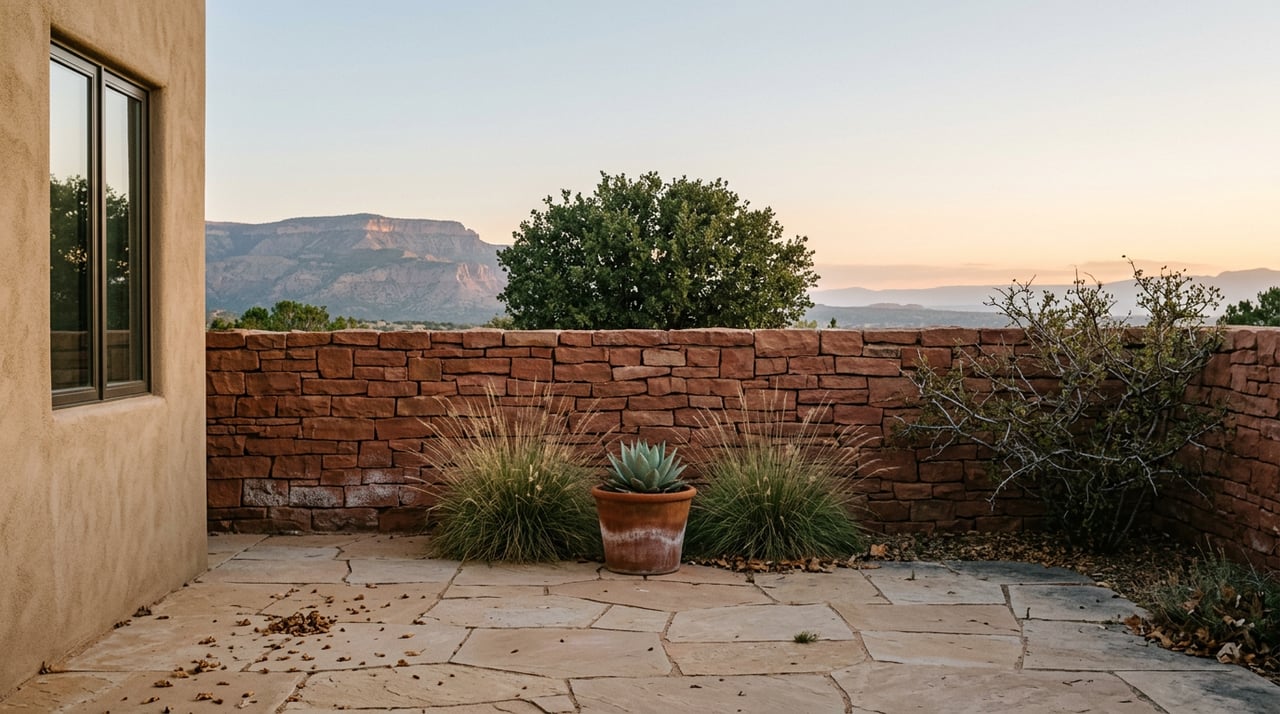
Outdoor photos look best in spring and fall when vegetation and light are at their peak. Use a photographer who understands Sedona’s high-contrast light and can capture red-rock vistas without losing detail. Golden-hour exteriors and tidy patios create compelling first impressions online.
Open houses and showings
Weekends in spring and fall tend to draw the most foot traffic. For summer listings, emphasize morning or evening showings. Avoid major holiday weekends when serious buyers may be traveling.
Virtual tours and video
Out-of-area buyers rely on high-quality virtual tours, detailed floor plans, and video or drone footage to understand views and proximity to trails. Strong digital assets expand your reach and can accelerate serious interest before buyers arrive in town.
Pricing and negotiation by season
In spring, sharper pricing often produces faster action because the buyer pool is largest. In fall, expect motivated buyers but be ready to adjust quickly based on feedback. During summer and winter, less competition can help a well-presented home stand out, but you may need to allow more time for the right buyer to emerge.
Plan from closing date backward
If you have a desired closing month, work backward to set your list date. Factor in typical escrow periods of about 30 to 45 days, appraisal timing for unique properties, and lender schedules for out-of-state buyers. Building in these buffers keeps you on track for your target move.
When to list: a quick guide
- List in spring if you want maximum buyer volume and the strongest overall conditions.
- List in fall if you value cooler weather and a focused window with quality buyers.
- List in summer if your home shines with A/C, shade, or a pool, and you want less competition.
- List in winter if you prefer a quieter market where a well-priced listing can stand out.
- In all cases, confirm recent local MLS metrics for West Sedona before you finalize the date.
Make your next step simple
If you want a tailored timing plan for your property, get a local market snapshot and a clear, 8-week prep roadmap from a boutique, founder-led brokerage. With legal-grade negotiation and premium listing presentation, you can list with confidence and minimize risk. Schedule your consult with Liz Adams to align timing, pricing, and marketing to today’s West Sedona conditions.
FAQs
What is the single best month to list in West Sedona?
- Spring months, roughly March to May, are typically strongest, but the exact peak varies each year, so confirm with a recent local MLS snapshot before you decide.
Can I still sell well in summer or winter in West Sedona?
- Yes. You may see lower buyer volume, but with the right pricing and targeted marketing, off-peak listings can stand out and face less competition.
What paperwork should I gather before listing in West Sedona?
- Prepare the Arizona seller property disclosure, permits and records for improvements, HOA documents if applicable, and well or septic information with service receipts.
How far in advance should I start preparing my home to list?
- Start about 4 to 8 weeks ahead for minor repairs and staging, and plan 2 to 3 months if you have major projects or want to hit a specific seasonal window.
How do wildfire and insurance concerns affect my listing?
- Be ready to share defensible space and mitigation work, plus any related documentation, since insurance availability and costs are important to many buyers.