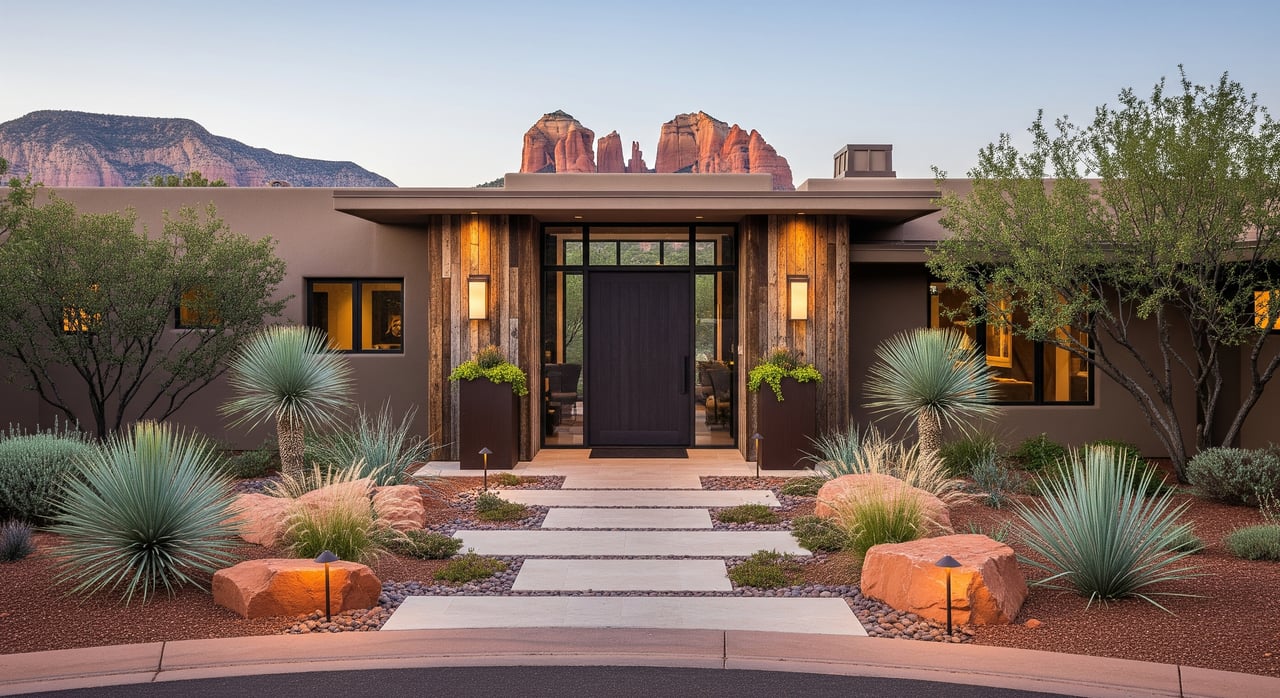
Thinking about listing your Sedona West home and wondering how to make the front shine in a high-desert climate? You are not alone. Buyers here look for beauty that fits the setting, uses less water, and feels safe during wildfire season. In this guide, you will learn practical curb appeal ideas that work in West Sedona’s climate, highlight the red rock aesthetic, and help your home show its best. Let’s dive in.
What buyers notice first
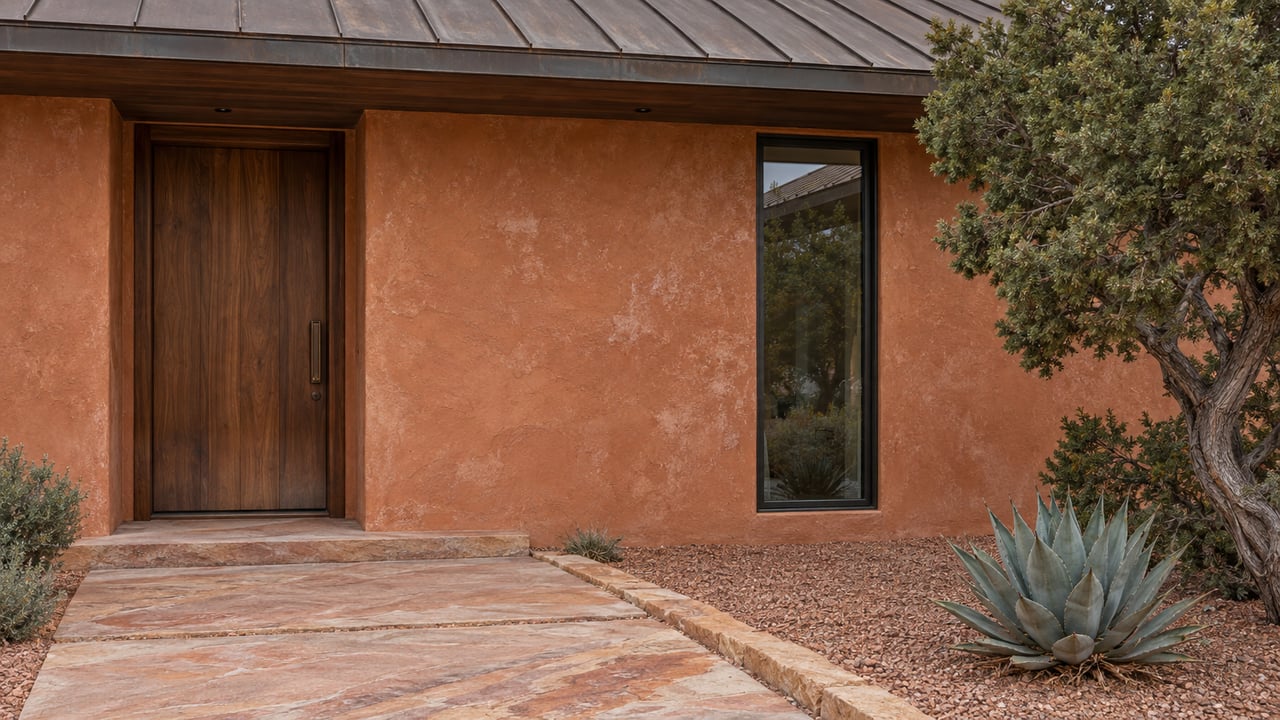
Your front entry sets the tone. In Sedona West, buyers respond to clean lines, sculptural plants, warm stone, and a tidy path that guides the eye to the door. Simple changes can create a stronger first impression, especially in photos. Think defined beds, fresh rock mulch, and one or two focal plants to anchor the scene.
Design principles for Sedona West
Curb appeal in the high desert is about balance. You want beauty with low water use, materials that are at home in red rock country, and smart spacing for fire safety.
Front entry focus
- Make the entry visible. Trim shrubs that crowd the walkway and clean the sightline from the curb to the door.
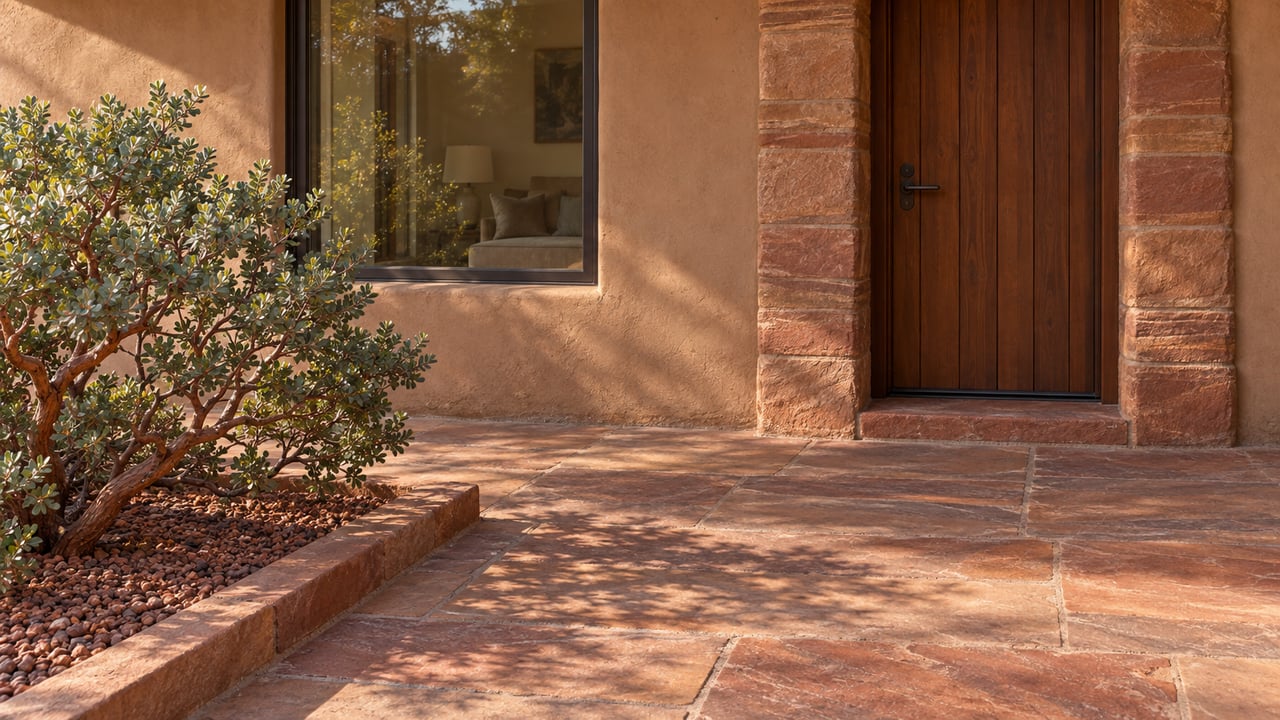
- Add contrast at the door. A refreshed door color or clean natural wood pairs well with warm flagstone.
- Light the approach. Low-voltage path lights improve safety and make evening showings memorable.
Layered planting plan
Create depth by using three layers that suit the climate:
- Structure layer. Small trees or large shrubs add scale at the corners and near the entry, set back for defensible space.
- Midlayer. Flowering shrubs and perennials deliver seasonal color.
- Ground layer. Gravel or decomposed granite with low, drought-tolerant plants keeps the look polished and clean.
Stone and hardscape that fit Sedona
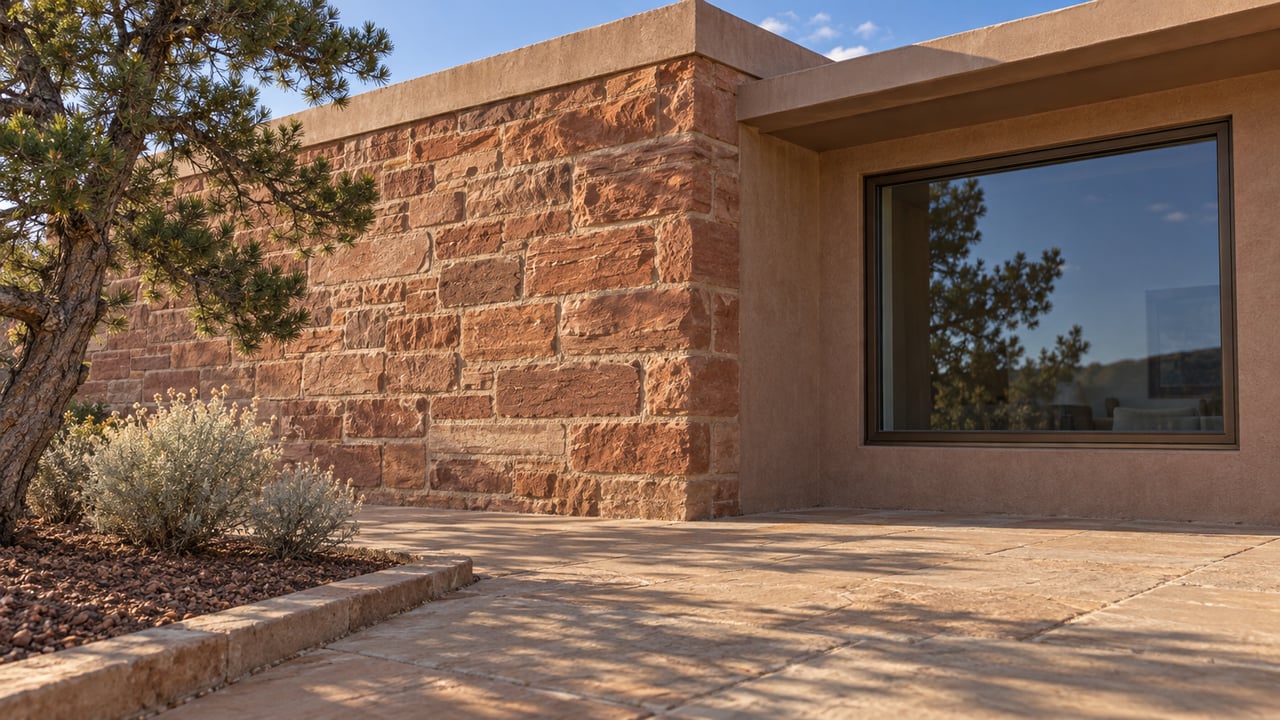
Local sandstone, flagstone, and well-placed boulders tie your front yard to the landscape. Permeable surfaces like decomposed granite or permeable pavers reduce runoff and help define walkways and entries.
Color and texture palette
Drought-tolerant plants often carry gray or blue foliage that reads beautifully against red rock. Add seasonal blooms in orange, red, purple, or yellow to catch the eye without heavy maintenance.
Lighting and cleanliness
Warm LED lighting highlights specimen plants and entry steps. Keep gutters, rooflines, and trim clean so the whole façade feels fresh.
Firewise curb appeal basics
Sedona West sits within a landscape with elevated wildfire risk. A visible defensible-space plan is a safety improvement and a strong selling point.
Immediate zone guidelines
- Keep the area closest to the home low fuel. Use non-combustible hardscape, irrigated low-growing plants, and avoid thick wood mulch next to the foundation.
- Maintain a fuel-reduced zone around structures. Many programs highlight an immediate zone of about 30 feet, with additional reductions out to 100 feet where possible. Confirm the current guidance with your local fire district.
Spacing and maintenance
- Space plants horizontally and vertically so fire cannot easily move from ground to canopy.
- Remove dead or dry vegetation and keep grass short.
- Clear leaves and debris from roofs and gutters.
- Favor fire-resistant plants and hardscape near the home, and avoid large clusters of highly resinous plants against walls.
Document your efforts
Keep receipts, records, and before and after photos of your fuel-reduction work. Buyers value clear evidence that a property has been maintained with defensible space in mind.
Plant palette that thrives
Choose native and regionally adapted plants that handle heat, strong sun, and occasional freezes. Site conditions matter. Note north or south exposure, shallow or deeper soils, and drainage.
Structural trees and large shrubs
- Utah juniper, spaced for defensible area structure.
- Manzanita for evergreen form and striking bark.
- Western redbud or New Mexico locust for spring bloom in the right microclimate.
Flowering midlayer
- Apache plume for white spring flowers and feathery seedheads.
- Desert willow for showy summer flowers near supplemental irrigation.
- Sage species and penstemon for color and pollinators.
Sculptural succulents
- Agave varieties suited to cooler nights.
- Yucca species for architectural form.
- Prickly pear for pads, blooms, and fruit with minimal water.
Groundcovers and perennials
- Globe mallow for long-lasting color.
- Desert marigold for bright yellow accents.
- Select low native grasses in modest groups where appropriate.
- Use rock or decomposed granite mulch to retain moisture and keep a clean look. Limit thick wood mulch near the home in fire-prone areas.
Small lawn or alternatives
Minimize turf to keep water use low. If you keep a small, well-irrigated pad for visual relief, frame it with gravel or stone. Synthetic turf can be an option if allowed by your HOA, but consider heat and appearance in full sun.
Materials that work in high desert
Hardscape choices can elevate curb appeal while supporting water-wise goals.
Rock mulch and edging
Gravel or decomposed granite stabilizes soil and keeps beds neat. A steel or stone edge helps paths stay clean and defines plant masses.
Driveways and paths
Permeable pavers or decomposed granite reduce runoff and blend with Sedona’s character. Flagstone steps or a simple stone landing at the entry add a premium feel.
Irrigation that saves water
Drip irrigation is more efficient than overhead watering. Use separate zones for trees and groundcovers, and consider a smart controller. Check for any local water restrictions or conservation programs before you upgrade.
Quick upgrades before listing
You can phase improvements based on time and budget while aiming for high visual impact.
Low cost quick wins
- Remove dead plants and trim overgrowth.
- Rake and refresh rock or decomposed granite mulch.
- Clean gutters and roofline so the façade photographs well.
- Repaint or clean the front door and mailbox.
- Add two or three potted succulents near the entry.
Moderate investment
- Install drip irrigation for new or revised beds.
- Add boulder accents and a defined decomposed granite walkway.
- Replace a small turf patch with xeric planting.
- Install warm, low-voltage landscape lighting along the path and to highlight focal plants.
Higher investment
- Regrade or add retaining terraces on slopes as needed. Permits may apply.
- Replace driveway surfaces or add larger hardscape features such as an extended entry patio.
- Plant a few well-placed, larger specimens and consider a professional landscape plan for cohesion.
Slope, HOA, and permits
Sedona West includes sloped lots and view-oriented homes, which makes drainage, erosion control, and plant placement even more important. Significant grading, retaining walls, or drainage changes may require permits through the county or city. Many neighborhoods have HOA rules that guide plant lists, hardscape materials, and visible changes. Confirm HOA covenants and any required approvals before removing or adding trees, changing driveways, or installing synthetic turf.
Seasonal maintenance that sells
- Spring. Prune dead wood, check drip lines, refresh rock mulch where needed.
- Summer and monsoon. Inspect for clogged drippers, watch for erosion on slopes, remove dry grass or tumbleweeds.
- Fall. Clear leaf litter from roofs and gutters, reduce irrigation as temperatures drop.
- Winter. Protect tender new plants from freezes and clear storm debris.
- Ongoing during active showings. Plan weekly or biweekly tidying and monthly irrigation checks.
How to make it look premium
- Keep lines clean. Defined edges and consistent mulch read as high quality in photos.
- Use one to two statement plants. A mature agave or a well-placed manzanita can carry the front.
- Repeat materials. Two or three consistent materials across mulch, path, and accents create a cohesive look.
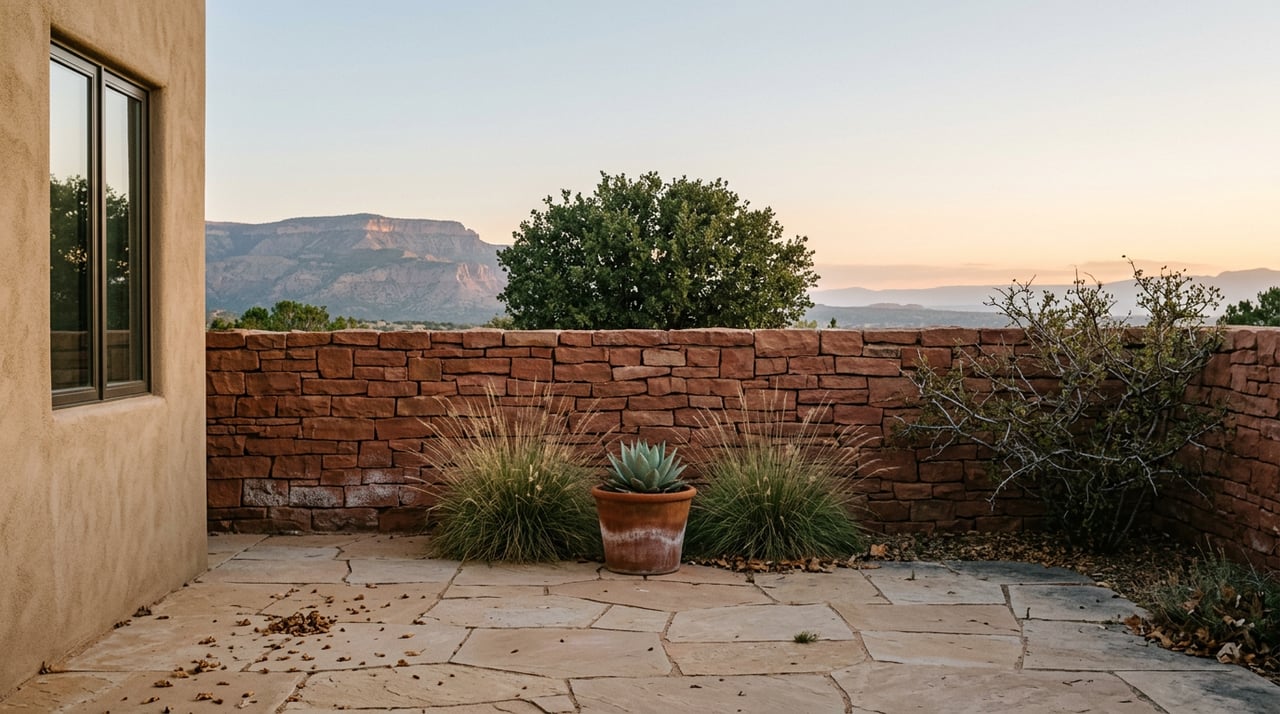
- Frame the view. Trim or place plants to complement red rock vistas from the street and entry.
Share the right details in your listing
Buyers value low maintenance and safety. When you list, highlight water-wise irrigation, native plant choices, and visible defensible-space work. Include a simple summary of upgrades with photos so buyers can see the difference. Keep receipts and any approvals on hand for peace of mind.
Ready to prepare your Sedona West home for market with a plan that fits the high-desert setting and today’s buyer expectations? Reach out for a consult that pairs neighborhood insight with premium presentation and careful transaction guidance. Connect with Liz Adams to schedule a free consultation.
FAQs
Will xeric landscaping reduce my home’s value in Sedona West?
- Properly designed xeriscaping that looks mature and well maintained is often a positive in arid climates. It can enhance perceived value while reducing utility costs and upkeep.
How does landscaping affect wildfire risk around my home?
- Plant selection, spacing, and fuel management directly affect risk. Creating defensible space, using low-fuel materials near the house, and removing dead vegetation reduce exposure to embers and flame.
Can I remove a tree or large shrub if my HOA has rules?
- Check your HOA covenants before making changes. Many associations require approval for removal or replacement of trees and visible landscape elements.
How much maintenance does a native landscape need?
- Native and adapted plants use less water once established, but they still need seasonal clean up, pruning of dead material, and regular irrigation checks, especially during the first year.
Should I promote water savings and firewise work in my listing?
- Yes. Documented water-wise upgrades and visible defensible-space work are attractive to many buyers. Include receipts and before and after photos.
Do I need permits for landscape changes on a sloped Sedona West lot?
- Significant grading, retaining walls, or drainage changes may require permits. Confirm requirements with the appropriate local offices before you begin, and review HOA guidelines for any additional approvals.