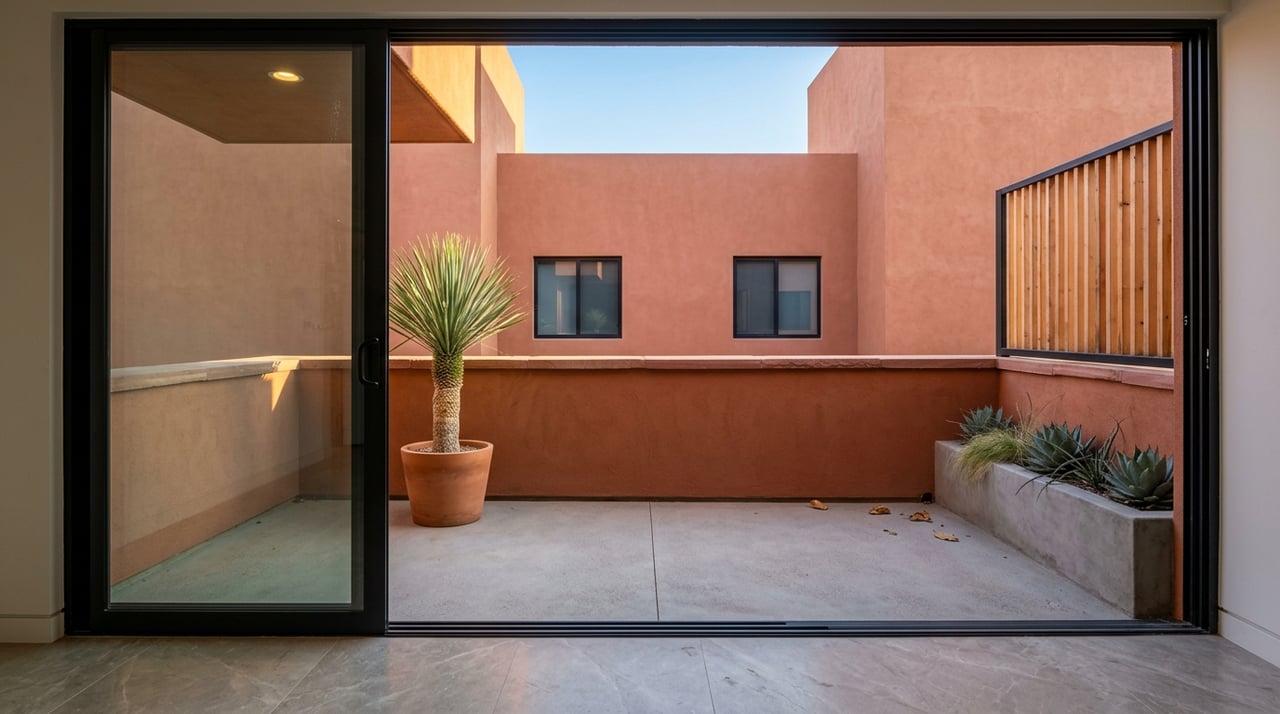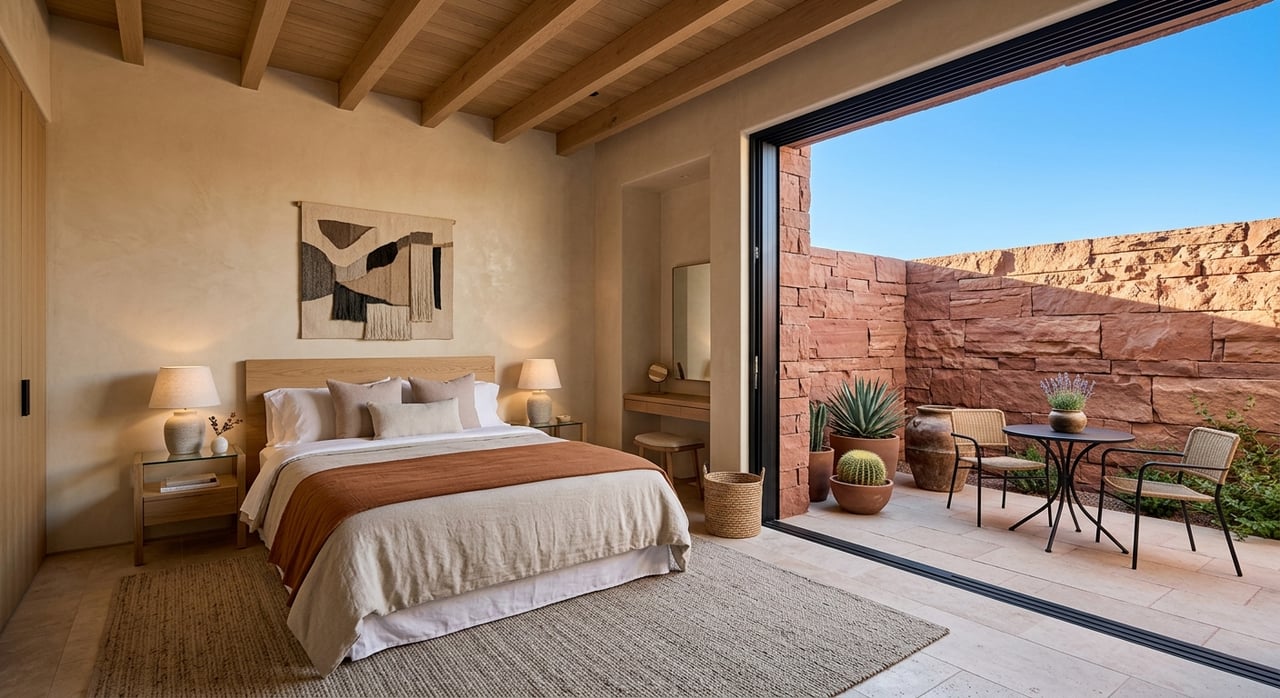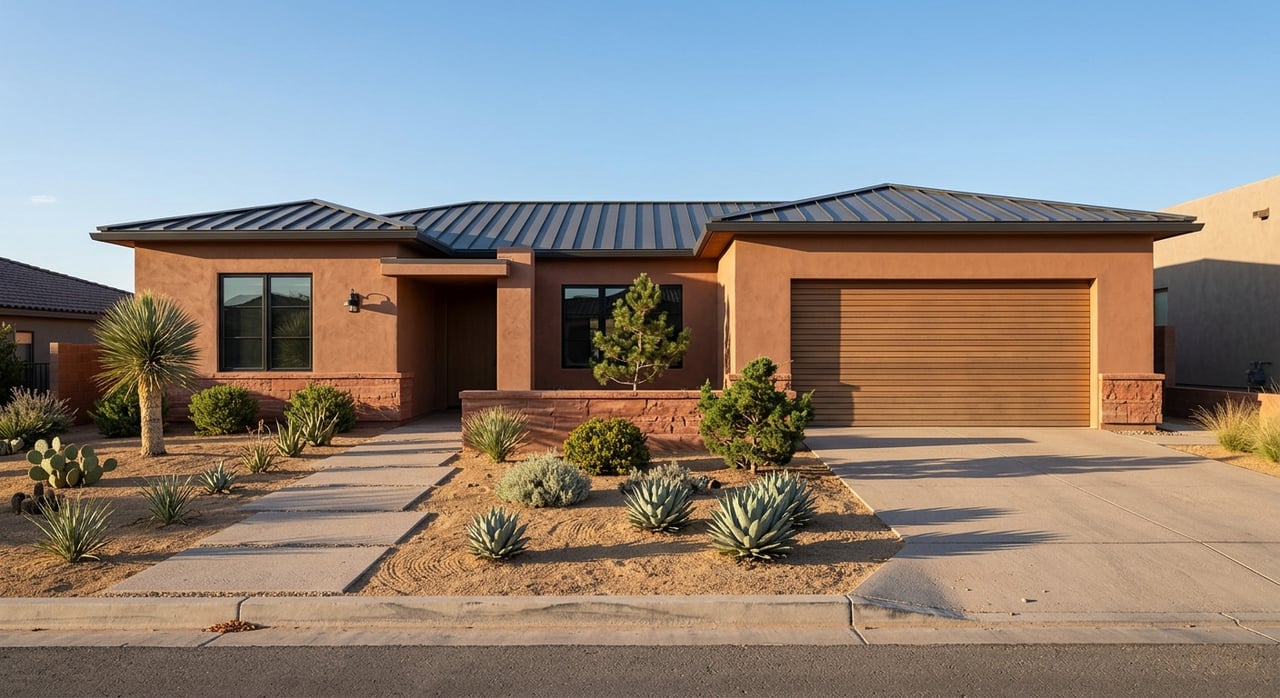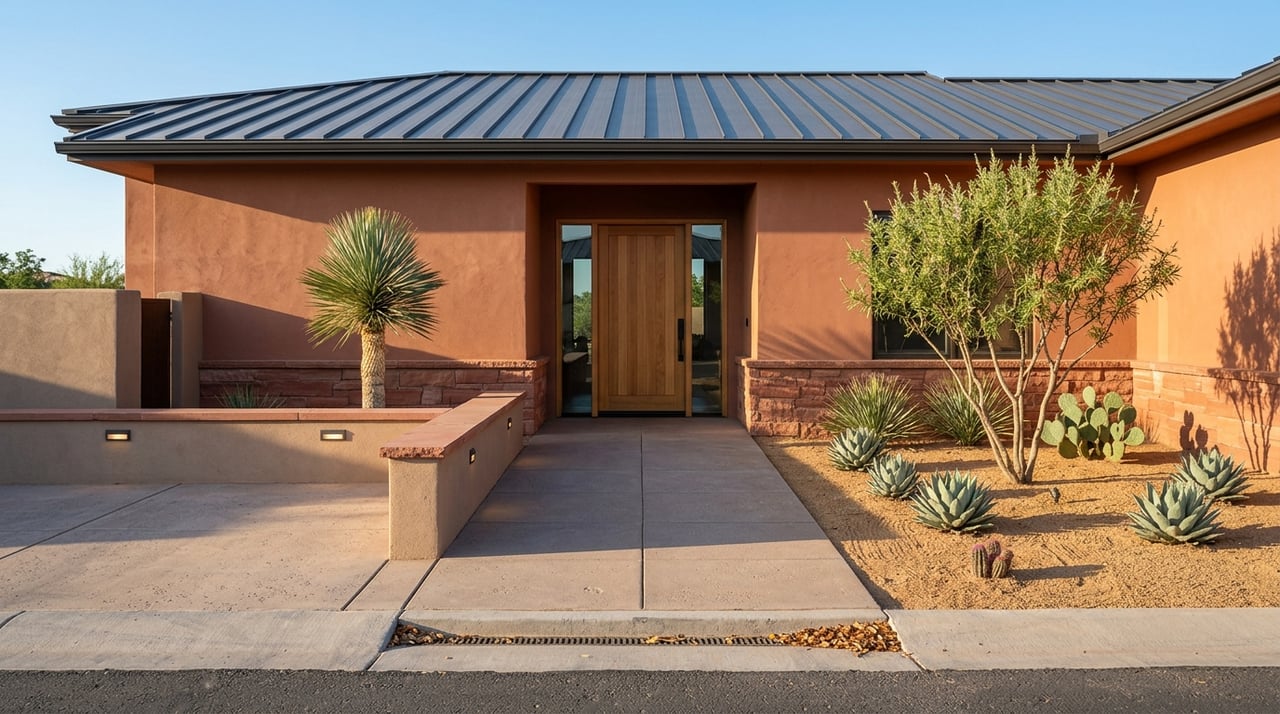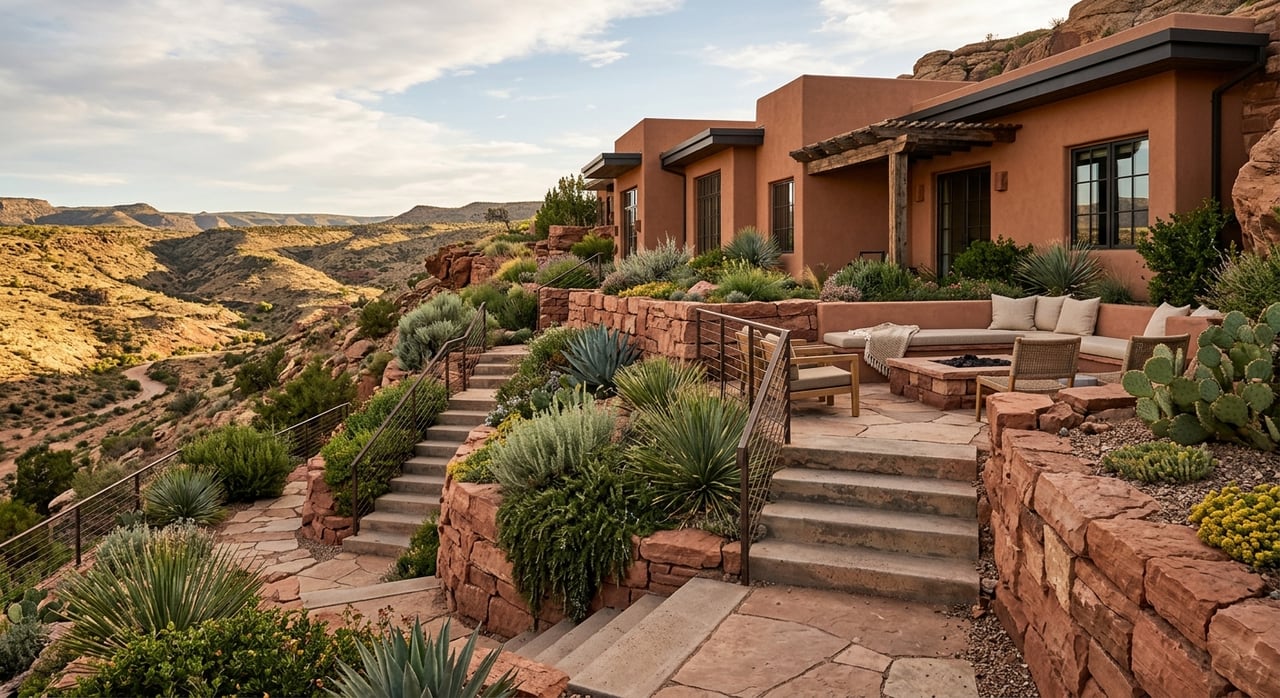
If you are buying a view lot in Chapel On The Hill, the photos are only the starting point. A dramatic red rock backdrop can be a major draw, but what matters just as much is whether that view is likely to hold, what the site will actually let you build, and how city rules may shape the home over time. If you want to buy with more confidence, this guide will help you look past the listing and focus on what really matters. Let’s dive in.
What Chapel On The Hill Means
In Sedona, “Chapel On The Hill” is best treated as a market umbrella, not one precise recorded neighborhood name. Public city documents reference a cluster of related names such as Chapel Road, Chapel View, Chapel Hill Estates 1 and 2, Chapel Bell Estates, and Chapel Estates 2, so it is wise to verify the actual plat name for any parcel before you move forward with a purchase.
That step may sound technical, but it matters. The recorded subdivision name, parcel number, and related documents help confirm exactly what you are buying and which rules may apply to the lot.
Why Views Need Verification
A beautiful view is often the main reason buyers focus on this area, but not all views are equally durable. In the Chapel area, one of the most important questions is what your sightline looks over today and what could change later.
A practical starting point is to see whether the view extends across public land, open space, or privately owned parcels. Based on public land records and city mapping, a view over U.S. Forest Service land or other nonbuildable land is often more durable than a view across privately owned buildable property, though it is not a guarantee.
The area around the Chapel of the Holy Cross adds another layer. The chapel is a City of Sedona historic landmark located on leased U.S. Forest Service land and open to the public, which can influence traffic, parking activity, and visibility near some nearby lots.
There is also a reminder that nearby buildout can still happen. The city approved the final plat for Chapel View Terrace, a 6-lot single-family subdivision at 10 Sky Line Drive, in September 2024. In other words, a current view is not the same thing as a protected view.
Use Public Maps First
Before you make an offer, the City of Sedona’s GIS maps and viewer are one of the best public screening tools available. The system includes parcel boundaries, zoning, flood zones, trails, subdivision data, and building footprints, which can help you understand how a lot sits in relation to nearby parcels and terrain.
The city also provides standard maps such as aerial, flood zone, subdivision, and zoning maps. These are especially useful when you want to compare what you see in marketing photos with the actual parcel layout and surrounding land.
That said, the city is clear that GIS data is for planning purposes only and is not survey-grade. If exact boundaries, setbacks, or a view corridor are critical to your decision, GIS is only the first step.
Check Future Land Use Too
Current aerial images can be helpful, but they only show today’s conditions. Sedona’s 2024 Community Plan includes a parcel-level Future Land Use Map, and the city notes that smaller focus-area plans are used where future development or redevelopment may be more likely.
For a Chapel-area view lot, that means you should check more than the current skyline. A lot that feels open today may sit near land that has a future development path, and that possibility should be part of your due diligence.
Topography Can Matter More Than Size
In hillside areas like Chapel, the buildable envelope can matter more than the lot size shown on paper. A larger lot may still have limited usable area if slopes, setbacks, drainage constraints, or access challenges reduce where a home can actually be placed.
Sedona’s code is especially relevant on view lots where buyers often picture expanded outdoor living, larger windows, privacy walls, or future additions. Those ideas need to be tested against the site itself, not just the listing description.
Sedona Rules That Shape a View Lot
Sedona’s Land Development Code is current through Ordinance 2025-04, and the city describes it as a key tool for preserving scenic beauty and community character. For view-lot buyers, that matters because the code touches many features that affect both what you can build and how neighboring homes may be designed.
Height and massing
Height is one of the biggest factors for preserving views and understanding nearby risk. Under the city code, the maximum overall building height is 40 feet, and the design standards are intended to keep buildings lower-profile and reduce obstruction of surrounding views.
Even so, a 40-foot cap does not mean every view will stay untouched. The real question is how a permitted structure could sit on a nearby lot given topography, roofline design, and the parcel’s buildable area.
Setbacks and outdoor features
Setbacks can shape your home plans in ways that surprise buyers. For residential parcels, the minimum setback from National Forest or Open Space districts is 20 feet, and lots with grades of 26% or more may qualify for a front setback reduction of up to 50% under the code.
Walls and fences are also limited. Front setback walls and fences are capped at 4 feet, while side and rear walls and fences are capped at 6 feet. Uncovered decks, patios, and balconies may project into setbacks only within code limits, so if outdoor living is part of your vision, it is smart to evaluate that early.
Scenic design standards
Sedona’s scenic beauty guidance is especially important in a view-driven area. The city says building colors should relate to the surrounding landscape, rooflines should follow slope, and the code uses height and massing standards to reduce obstruction of red rock views.
For buyers, this can be positive in two ways. It may help support a more visually compatible streetscape, and it may limit how aggressively homes are designed on sensitive sites.
Lighting and privacy
Nighttime character matters too. Sedona’s code requires fully shielded exterior lighting in several common placements, and lighting that creates hot spots on wall or roof planes is prohibited.
If you care about dark skies, a calmer outdoor atmosphere, and a more private evening setting, these regulations are worth understanding before you buy.
Variances Are Not a Cure-All
Some buyers assume a challenging hillside lot can always be solved through a variance. That is not a safe assumption.
Sedona’s variance rules state that variances may not be granted from grading and drainage standards or subdivision regulations. While exceptional topography can support some variance requests, relief is limited, so it is better to understand a lot’s constraints up front than to assume city approval will fix them later.
Questions to Answer Before You Offer
Buying a Chapel-area view lot gets easier when you work through a short list of practical questions.
What exactly are you buying?
Confirm the recorded subdivision name, parcel number, and county jurisdiction. Sedona spans county lines, and the correct records office depends on the parcel, so this is not something to gloss over.
When exact boundaries or recorded restrictions matter, start with the Coconino County Recorder for plats and related documents, then confirm parcel and ownership details through the county assessor as needed.
What does the view actually look over?
Identify whether your sightline crosses public land, open space, or another buildable parcel. If the lot looks over nearby private property, review subdivision records, active city project pages, and future land use context before assuming the view is secure.
What can you build later?
Think beyond the initial home footprint. If you may want a guest space, larger patio, privacy wall, covered outdoor area, or remodel later, review height, setbacks, fencing, lighting, and grading standards before you buy.
Are there private rules too?
If the lot is subject to an HOA, request the recorded declaration and any architectural guidelines. Private restrictions can add another layer beyond city code, and you will want to compare both before making assumptions about design flexibility.
Is mapping enough?
Usually, no. Public mapping is very useful for screening, but when the exact buildable envelope or view corridor matters, a survey is the more reliable next step.
A Smarter Way to Judge Value
The true value of a Chapel On The Hill lot is about more than the view in the listing photos. It comes down to how durable the sightline may be, how topography affects the buildable area, and how city standards may shape both your plans and future nearby construction.
That is where experienced local guidance can make a real difference. When you are weighing a high-value Sedona purchase, careful document review, parcel-level research, and a clear understanding of development risk can help you buy with fewer surprises.
If you are considering a Chapel-area view lot and want a calm, strategic second opinion, connect with Liz Adams for boutique guidance grounded in Sedona micro-market knowledge and careful transaction review.
FAQs
What is Chapel On The Hill in Sedona real estate?
- In Sedona real estate, Chapel On The Hill is best treated as a general market area rather than one standardized recorded subdivision name, so each parcel should be verified by its actual plat and legal records.
How do you verify a view lot in Chapel On The Hill?
- You can start with the City of Sedona GIS viewer, zoning and subdivision maps, and the Community Plan, then confirm recorded plats, parcel details, and exact boundaries through county records and, when needed, a survey.
Can a view in Chapel On The Hill be blocked later?
- Yes, depending on what land the view crosses, because a view over private buildable parcels may be affected by future development even if the current outlook appears open.
What building rules matter for Chapel On The Hill lots?
- Key Sedona rules include maximum building height, setbacks, grading and drainage standards, fence and wall limits, scenic design standards, and exterior lighting regulations.
Why does topography matter when buying a Sedona view lot?
- Topography matters because steep slopes can reduce the buildable envelope, affect access and drainage, and limit what you can realistically build or remodel later.
Should you rely only on Sedona GIS maps for a Chapel lot purchase?
- No, because the city states its GIS tools are for planning purposes and are not survey-grade, so a survey may be needed when boundaries, setbacks, or view-sensitive placement are important to your decision.