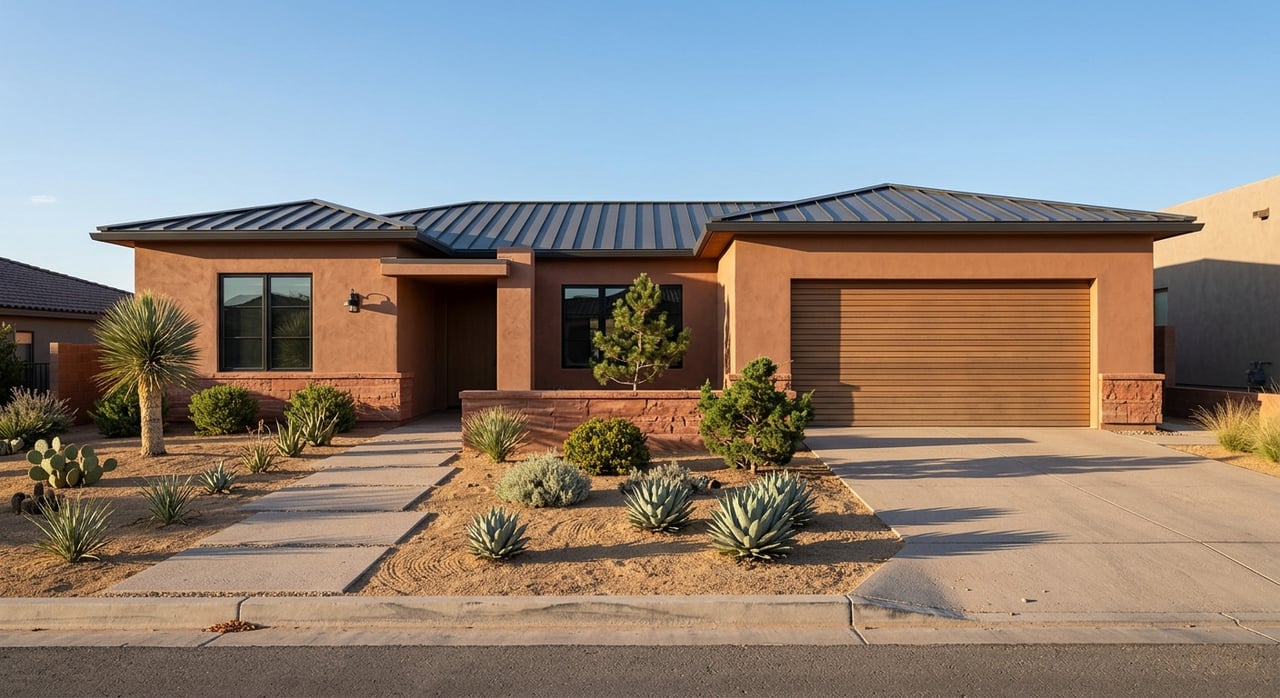
Wondering if West Sedona is the right landing spot for your move? For many relocation buyers, it offers a practical mix of daily convenience, trail access, and established housing, but it also comes with real tradeoffs around traffic, corridor activity, and older homes. If you want a clear picture of how West Sedona lives day to day, this guide will help you weigh the housing and lifestyle factors with more confidence. Let’s dive in.
What West Sedona Means
West Sedona is best understood as a corridor, not one tightly defined neighborhood. In the City of Sedona’s 2024 Community Plan, the area is framed as the West Sedona Corridor Community Focus Area, with exact boundaries still being refined through the planning process.
That matters if you are relocating because the feel can change block by block. Some sections are more civic and service-oriented, while others lean more retail and entertainment focused, especially along West 89A.
Two West Sedona Subareas
The city describes two main subareas within the corridor. The Dry Creek/W 89A area includes civic and educational uses such as city hall, a fire station, a library, pocket parks, a charter school, townhomes, apartments, lodging, cafes, coffee shops, and churches.
The Rodeo-Coffeepot/W 89A area has a stronger retail and entertainment presence. The city notes theaters, grocery stores, pharmacies, coffee shops, townhomes, and mobile home parks in that section, which gives it a busier daily rhythm.
Housing in West Sedona
If you are moving to Sedona from a larger metro area, West Sedona can feel established rather than newly built. Public data for ZIP code 86336 shows a housing stock shaped mostly by detached homes, high owner occupancy, and older construction.
That can be appealing if you prefer mature streets and a more settled residential base. It can also mean you should expect variation in updates, floor plans, lot layout, and infrastructure from one property to the next.
What the Housing Stock Looks Like
Sedona’s 2022 community profile for ZIP 86336 reports 7,144 housing units, with 79% occupied. Of occupied units, 79% are owner occupied and 21% are renter occupied, while 76% of occupied homes are single-family detached.
The same profile lists a median year built of 1988. For many buyers, that points to homes with character and established surroundings, but it may also mean more due diligence around condition, remodeling history, and systems.
Who the Area May Suit
The local data suggests a smaller-household, mature-owner market. In the same ZIP profile, the median age is 59.7, the median household size is 2.3, 36% of households are one-person households, and 48% are two-person households.
For relocation buyers, that often lines up well with downsizers, second-home owners, and full-time residents who want a home base that feels stable and lived-in. It is less suggestive of a fast-turnover, high-density pattern.
Pricing Context Matters
At the city level, Census QuickFacts show Sedona’s owner-occupied housing rate at 72.6%, a median owner-occupied home value of $786,800, and a median gross rent of $1,448. While those citywide figures are not a direct match for ZIP-level data, they reinforce the same broad point.
Sedona is a premium market. Whether you plan to buy or rent before buying, it helps to enter West Sedona with realistic expectations about price and competition for well-located properties.
Lot Size and Parcel-by-Parcel Reality
One of the biggest mistakes relocation buyers make is assuming West Sedona has a uniform housing pattern. It does not. Lot size, building placement, zoning context, and nearby uses can shift quickly from one street to the next.
That is why parcel-level review matters. The City of Sedona’s GIS tools and Yavapai County parcel tools can help verify boundaries, zoning, land use, flood zones, trails, and building footprints for a specific address.
Why Verification Is Important
West Sedona sits within a broader Sedona area where county line details can affect which map tools you should use. If you are comparing homes, especially those near corridor edges or mixed-use sections, checking the correct parcel records can give you a much more accurate read than online listing descriptions alone.
For buyers focused on privacy, side-yard separation, or future use around a property, this step is especially valuable. In West Sedona, the details often matter more than the label.
Lifestyle Strengths of West Sedona
The biggest lifestyle advantage on the west side is convenience paired with outdoor access. If you want to be near services and trail systems without driving across town for daily errands, West Sedona can be a very practical fit.
The area also tends to support an active, everyday lifestyle. Instead of treating hiking or biking as occasional outings, many residents can build those activities into a normal week.
Trail Access Is a Major Draw
The western side of Sedona puts you close to well-known trail systems. The Forest Service describes the Cockscomb trail system near Dry Creek as well suited to biking, Brins Mesa as convenient and picturesque at the edge of town, and Devil’s Bridge access through Dry Creek Road at the west end of town.
The City of Sedona also notes that most hiking trails in the area are located in the Coconino National Forest. For many relocation buyers, that makes West Sedona appealing as a base for regular outdoor time rather than occasional recreation.
Shuttle Options Add Flexibility
West Sedona remains mostly car-oriented, but the city has added transportation options that can support local mobility. Sedona Shuttle Connect is an on-demand service that the city says can take riders almost anywhere in Sedona for $2.
The Verde Shuttle links central Cottonwood with West Sedona, Uptown Sedona, and northern portions of SR 179. Trailhead shuttle routes also serve key recreation areas from west-side park-and-ride lots, including access tied to Mescal, Dry Creek Vista, Soldier Pass, Cathedral Rock, and Little Horse.
The Tradeoff: Traffic and Corridor Activity
For many buyers, this is the defining tradeoff in West Sedona. The same corridor pattern that makes errands, services, and trail access easier can also mean more traffic, more turning movements, and more day-to-day activity near major roads.
If your ideal setting is quiet and tucked away, you will want to look carefully at how close a home sits to West 89A and other active routes. In West Sedona, convenience and calm do not always come bundled together.
West Sedona Is Still Car-Oriented
In the 86336 ZIP profile, 72% of workers drove alone to work, 4% carpooled, 4% walked, 1% bicycled, and public transportation use was essentially zero. Only 1% of households reported having no vehicle.
Citywide, the mean travel time to work is 21.3 minutes. That points to a place where driving remains the default, even as walkability and shuttle access continue to improve.
Traffic Bottlenecks Are Part of Daily Life
The city identifies SR 89A in West Sedona and SR 179 as the backbone of the transportation system, and the Y roundabout is noted as a known bottleneck. The 2024 Community Plan also points toward future improvements in pedestrian comfort, redevelopment, and buffering near neighborhoods, but those are part of a longer planning path.
For a relocation buyer, the practical takeaway is simple. A West Sedona address may be highly convenient, but the closer you are to the corridor, the more likely you are to notice traffic flow, road noise, and heavier movement during busy periods.
How West Sedona Feels Day to Day
West Sedona often works best for buyers who want a service-rich location and are comfortable with a mixed-use environment. It is practical, established, and closely tied to daily recreation, but it is not best described as uniformly secluded.
That distinction matters. If you picture a quiet residential pocket, you may find it in parts of West Sedona, but not in every block or along every corridor segment.
Best Fit for Relocation Buyers
West Sedona is often a strong match if you want:
- Close access to groceries, pharmacies, cafes, and day-to-day services
- Easier access to west-side trails and shuttle-supported trailheads
- An established housing stock with many detached homes
- A location that supports downsizing or simplified daily living
- A practical base for full-time living or a second home lifestyle
Weaker Fit for Some Buyers
West Sedona may be a weaker fit if you want:
- A large-lot setting with minimal corridor influence
- A more uniformly quiet street pattern
- Housing that feels newer or more consistent in age and design
- Daily life that feels removed from visitor activity and commercial nodes
The city’s own planning language emphasizes walkability, mixed uses, transitions, and buffering. That suggests a more layered environment than a purely residential one.
Smart Questions to Ask Before You Buy
If you are seriously considering West Sedona, the best approach is not to ask whether the area is good or bad. The better question is whether a specific pocket fits your priorities.
That is where local guidance becomes valuable. A relocation move usually goes more smoothly when you compare not just homes, but also the street context, parcel details, traffic pattern, and everyday access around each property.
Focus on These Factors
When comparing homes in West Sedona, pay close attention to:
- Distance to West 89A and major turning points
- Nearby commercial or civic uses
- Parcel boundaries and lot dimensions
- Building placement and privacy from adjacent properties
- Access to trailheads, shuttle lots, and daily services
- How the immediate block feels at different times of day
In a corridor area like West Sedona, small location differences can create a very different ownership experience.
If you are weighing a move to West Sedona and want a more precise, street-by-street perspective, Liz Adams offers a consultative approach designed to help you compare Sedona micro-markets with clarity, protect your interests in negotiation, and find the right fit for how you want to live.
FAQs
What is West Sedona in Sedona planning documents?
- West Sedona is treated by the city as a corridor-focused area rather than one fixed neighborhood boundary, with two main subareas: Dry Creek/W 89A and Rodeo-Coffeepot/W 89A.
What kind of housing is common in West Sedona?
- Public data for ZIP code 86336 shows a housing stock that is largely owner occupied and heavily made up of single-family detached homes, with a median year built of 1988.
Is West Sedona walkable for daily errands?
- West Sedona has services and some improving walkability, but local commute data shows it is still mostly a driving environment for everyday life.
How does traffic affect living in West Sedona?
- Traffic is one of the main tradeoffs, especially near West 89A and known bottlenecks like the Y roundabout, so location within the corridor matters a great deal.
Why do relocation buyers choose West Sedona?
- Many buyers choose West Sedona for its mix of services, established housing, and close access to trails and shuttle-supported recreation.
What should buyers verify before purchasing in West Sedona?
- Buyers should review parcel boundaries, zoning context, lot dimensions, nearby uses, and street-level conditions because the feel of West Sedona can change quickly from one block to the next.