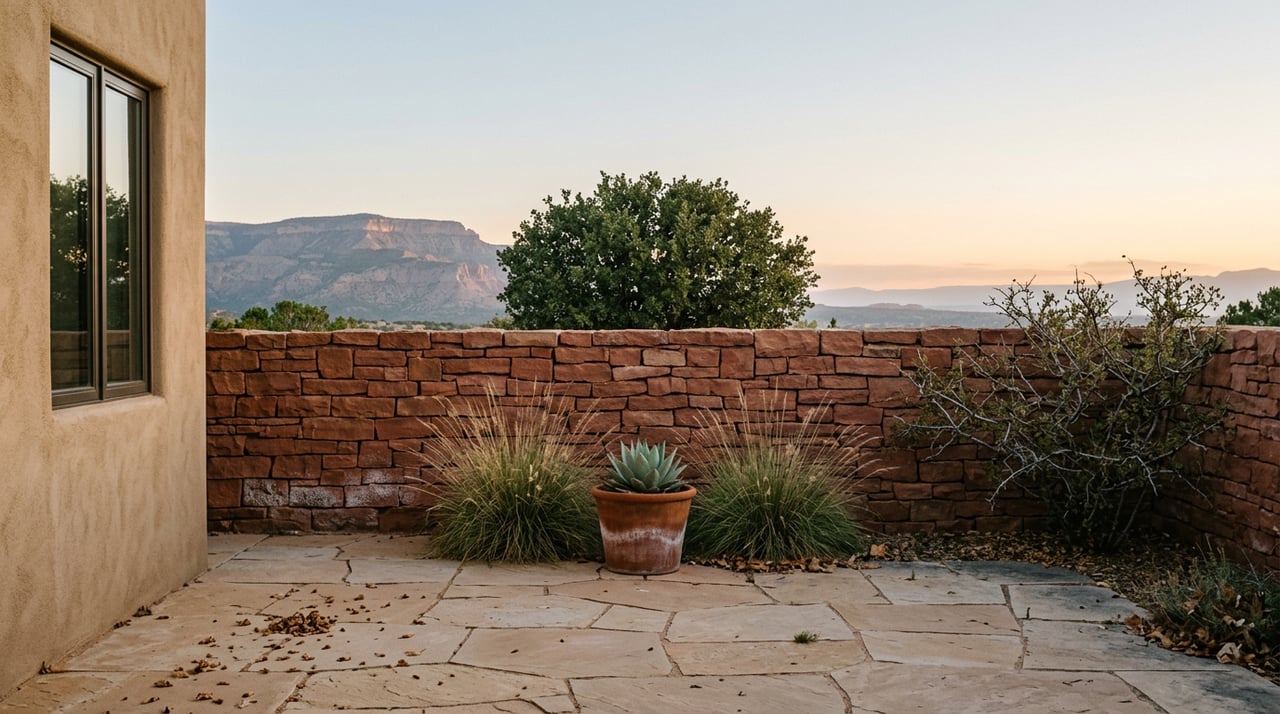
If you own a vacation home in Uptown Sedona, you already know the property is about more than square footage. Buyers are often drawn to the views, the walkable access to Uptown, and the ease of settling into Sedona for weekends, seasons, or longer stays. When it is time to sell, the goal is to present that lifestyle clearly while also handling the practical details that matter in this market. Let’s dive in.
Understand the Uptown Sedona market
Selling well starts with understanding how buyers may view your home against the broader 86336 market. In March 2026, Realtor.com reported 212 homes for sale in ZIP code 86336, with a median listing price of $1.38 million, a median price per square foot of $567, and a 98% sale-to-list ratio. That points to a higher-price market where pricing discipline matters.
At the city level, Redfin reported a median Sedona sale price of $1,030,718 for the three months ending April 2026, along with 51 median days on market and a 96.1% sale-to-list ratio. Because these sources use different areas and time frames, they should not be treated as interchangeable. In Uptown, recent comparable sales and property-specific features usually matter more than a broad city average.
Highlight what buyers use
A vacation home often sells best when buyers can quickly picture themselves enjoying it. That means your marketing should focus on the features a new owner can use right away, such as red rock views, outdoor living space, lock-and-leave convenience, and proximity to Uptown amenities.
In Uptown, access and parking are part of the story. The city identifies Uptown as a community focus area and manages parking through two all-day free lots, four 3-hour free lots, and metered Main Street parking from 9 a.m. to 6 p.m. seven days a week. A new Uptown parking garage project is also expected in 2026, which adds another point of interest for buyers thinking about day-to-day convenience.
Present the home as lifestyle-ready
If your property has been a personal retreat, it may still reflect your family routines, hobbies, or travel habits. Buyers usually respond better when the home feels open, easy, and adaptable rather than deeply personalized.
That often means removing excess décor, extra sleeping setups, hobby equipment, and anything that makes storage feel crowded. When buyers can clearly see the floor plan, natural light, outdoor spaces, and views, the home tends to read more like a lifestyle opportunity and less like someone else’s getaway.
Price with local precision
In a market like Uptown Sedona, pricing is not just a math exercise. A vacation home can command attention because of location, views, walkability, parking convenience, outdoor living, or lock-and-leave appeal. It can also face questions if buyers see friction around traffic, access, or deferred maintenance.
That is why local pricing should lean heavily on recent comparable sales and the exact experience your property offers. A polished presentation can increase interest, but buyers in this price range still expect pricing to reflect current conditions. The strongest strategy usually combines precise valuation with a listing presentation that helps the home stand apart.
Organize disclosures and records early
A smooth sale often depends on what you prepare before the listing goes live. Arizona advises buyers to review the Seller’s Property Disclosure Statement, purchase contract, title report, and any HOA documents carefully. If your home was built before 1978, federal law also requires lead-based paint disclosure and delivery of the lead hazard pamphlet before the buyer becomes obligated under the contract.
For a former vacation home, a well-organized seller packet can make a real difference. Helpful records may include:
- Prior inspection reports
- Repair invoices
- Warranty documents
- Permit finals or sign-offs
- HVAC, roof, plumbing, and appliance service records
- Insurance claim paperwork for water, wind, fire, or other losses
Arizona’s home-inspection board also notes that a seller may choose to have the home inspected before listing. In some cases, that can help surface issues early and reduce surprises during escrow.
Gather HOA documents if applicable
If your property is in an HOA, collect the governing documents as early as possible. Buyers may ask about fees, use rules, rental restrictions, and resale disclosure material, especially when the home is being sold as a second home or part-time residence.
This matters even more if there are questions about vacation rental use. Sedona’s city FAQ states that the city does not enforce HOA rules or keep copies of them, so you should rely on documents directly from the HOA or management company instead of assuming the city can fill in missing information.
Prepare for risk-related questions
Many Sedona buyers will look beyond finishes and views. They may also ask about flood exposure, wildfire conditions, drainage, defensible space, and insurance history.
Redfin’s Sedona page, using First Street data, flags the city as having major flood risk and extreme wildfire risk. That does not replace a property-specific inspection, but it does suggest sellers should be ready with practical information if it applies to the home. If you have mitigation work, drainage improvements, remediation records, or insurance claim history, organize those materials before the home hits the market.
Address prior short-term rental use carefully
If your Uptown vacation home was ever used as a short-term rental, your sale strategy should include clear documentation. Sedona requires owners to obtain a Transaction Privilege Tax license before applying for a city short-term rental permit, and each advertised unit must have its own permit.
The city also states that the annual permit fee is non-refundable and non-transferable. A June 2025 City Talk update said short-term rental permits are not transferable in any form, including for LLCs. That means you should avoid suggesting that a buyer can simply take over your existing permit.
Know the key Sedona STR rules
If a buyer asks whether the home can continue as a short-term rental, the answer depends on the buyer obtaining the required licenses and permits, along with any HOA restrictions that may apply. Even one day of annual renting requires both a TPT license and a Sedona short-term rental permit.
Sedona also requires at least $500,000 in liability insurance per rental unit, emergency contact information, building safety approvals, notice to neighboring homeowners, tax collection and remittance, a permit number on every advertisement, and background checks before guest check-in or proof that the marketplace completed them. The city prohibits special events at short-term rentals, including weddings, retreats, trainings, and conferences.
Resolve any STR compliance issues
Sedona is actively enforcing its short-term rental program. In June 2025, the city reported 1,219 permitted short-term rental properties, 96.5% compliance, and that permitted short-term rentals made up 17.6% of the city’s total housing inventory.
That same update said the city no longer dismisses citations after a property comes into compliance. If your home has any prior violations, unresolved notices, or open compliance questions, it is wise to resolve them and keep documentation ready before listing.
Build a complete STR records packet
If the property has any short-term rental history, create a file that answers the most common buyer questions. A strong packet may include:
- City permit records
- TPT license information
- Proof of renewals
- Insurance declarations
- Required notices
- Guest-rule handbooks
- Tax filing records
- Complaint-resolution records
- Correspondence about citations or code compliance
If the property has a casita or guesthouse, verify how it was permitted. Sedona states that each advertised unit needs its own permit, and most residentially zoned properties are limited to two habitable structures unless an exception has been verified with city planning.
Market the property with clarity
The best marketing for an Uptown Sedona vacation home balances emotion and precision. Buyers should feel the appeal of the setting, but they should also understand the practical value of the location, the home’s condition, and any rules that affect use.
That is especially important in a second-home market, where buyers often compare several properties based on how easy they will be to own and enjoy. Clean disclosures, organized records, thoughtful staging, and accurate positioning help build confidence. In a high-price market, confidence often drives stronger offers.
Work with a strategy, not guesswork
Selling a vacation home in Uptown Sedona takes more than attractive photos and a list price. You need a strategy that reflects the property’s lifestyle appeal, current market conditions, disclosure requirements, and any short-term rental history that could shape buyer questions.
That is where local knowledge and careful transaction guidance matter. If you want a tailored plan for pricing, presentation, and documentation, Liz Adams can help you prepare your Uptown Sedona home for a confident sale.
FAQs
What should sellers emphasize when selling an Uptown Sedona vacation home?
- Focus on features buyers can use right away, such as views, outdoor living, lock-and-leave convenience, and access to Uptown amenities.
What market data matters for an Uptown Sedona home sale?
- Recent comparable sales usually matter most, but current context helps. In March 2026, ZIP code 86336 had 212 homes for sale, a $1.38 million median listing price, and a 98% sale-to-list ratio.
What disclosure documents are important when selling a vacation home in Arizona?
- Sellers should be prepared with the SPDS, title-related documents, HOA materials if applicable, and records such as repair invoices, inspection reports, warranties, and service history.
What do sellers need to know about prior short-term rental use in Sedona?
- Sedona short-term rental permits do not transfer, and buyers must obtain their own required licenses and permits if they want to pursue legal short-term rental use.
What short-term rental rules may affect a Sedona home sale?
- Sedona requires a TPT license, a city permit for each advertised unit, liability insurance, operational notices, and compliance with local rules, including a ban on special events at STRs.
What HOA information should sellers gather for a Sedona vacation home?
- Collect CC&Rs, rules, fees, rental restrictions, and resale disclosure materials directly from the HOA or management company.
What risk questions may buyers ask about a Sedona property?
- Buyers may ask about flood exposure, wildfire conditions, defensible space, drainage, remediation work, and insurance history, so it helps to have clear records ready.