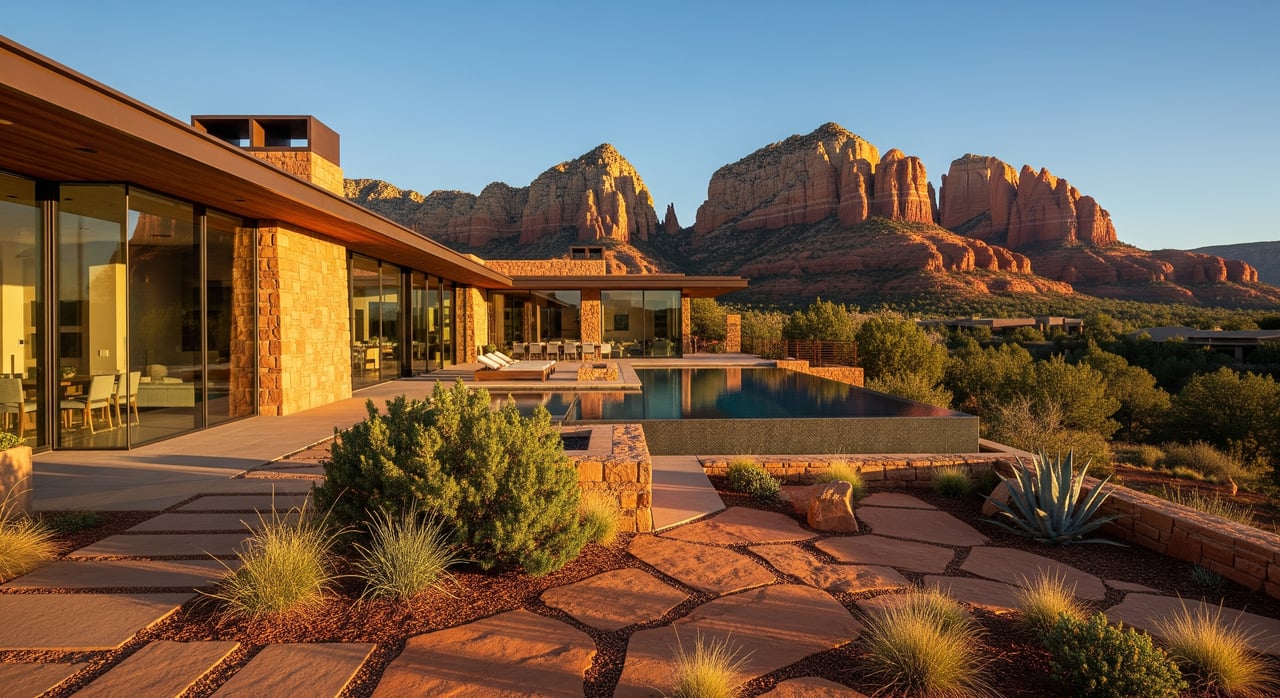
Shopping for a red-rock view home in Uptown Sedona and wondering how to finance it without stress? You are not alone. Many luxury homes in this micro-market sit above standard mortgage limits, which is where jumbo loans come in. In this guide, you will learn what a jumbo loan is, how it differs from a conforming mortgage, what Sedona-specific issues to watch, and how to prepare a strong, low-risk offer. Let’s dive in.
What a jumbo loan means in Sedona
A jumbo loan is a mortgage that exceeds your county’s conforming loan limit set by the FHFA. When your loan size is above that threshold, lenders treat it as a jumbo. That means different underwriting, documentation, and sometimes slightly different rates.
Because many Uptown Sedona homes are higher priced, buyers often use jumbo financing for primary or second homes. You should verify the current conforming limit for Coconino County before you shop so you know which financing lane you are in.
How jumbo loans differ from conforming
Jumbo loans follow stricter rules than typical conforming loans. Expect tighter credit standards, more paperwork, and more attention to your assets and reserves.
Underwriting at a glance
- Credit score: many lenders look for 700 or higher for best pricing. Some allow 680 to 720 depending on loan size and profile.
- Down payment and LTV: common minimums range from 10 percent to 20 percent for lower jumbo amounts, and 20 percent to 30 percent or more for larger loans.
- Cash reserves: often 6 to 12 months of total housing payments. Second homes and investment properties may require more.
- Debt-to-income ratio: many lenders prefer below 43 to 50 percent, with flexibility for strong compensating factors.
These are typical industry ranges. Every lender sets their own overlays, so your exact path can vary.
Documentation you will need
- Two years of tax returns and recent pay stubs or W-2s. Self-employed buyers may also need profit-and-loss statements.
- Bank and investment statements showing your down payment funds and reserves.
- Explanations for any large deposits.
- Retirement and brokerage account statements if using those assets for reserves.
Rate and product options
- Conventional jumbo loans are common for well-qualified borrowers.
- Portfolio loans are held by the lender and can be more flexible for unique properties.
- Non-QM or bank-statement loans can help self-employed buyers who prefer alternative income documentation. Expect higher rates and stronger reserve requirements.
- Construction-to-permanent loans can fund a custom build when you are buying land or finishing a home.
- VA can sometimes work at higher price points, but lender limits and overlays apply. Confirm details with a VA-approved lender.
Rates on jumbos can be similar to or slightly higher than conforming loans depending on the market and your profile. Compare options early.
Uptown Sedona factors that affect financing
Uptown Sedona is known for custom architecture, expansive views, and one-of-a-kind sites. That beauty can add complexity to underwriting and appraisals.
Appraisals on unique properties
- With custom homes and limited recent sales, appraisers may rely on distant comps or larger adjustments for views, lot size, and finish quality.
- Turn times can be longer and the chance of an appraisal gap is higher than in a cookie-cutter tract.
- You can help by supplying upgrade lists, surveys, floor plans, and any recent comparable sales.
Land, utilities, and build characteristics
- Some properties use septic systems or private wells. Lenders will verify habitability and may require inspections or extra documentation.
- Steep or geologically complex sites, raw land, or parcels with development risk can be harder to finance with standard jumbo products.
- Construction-to-perm loans often require approved builders, oversight of draws, larger down payments, and higher reserves.
Short-term rentals and zoning
- Many buyers consider short-term rental income. Whether that income counts to qualify depends on the lender and local rules.
- If local regulations or your HOA limit short-term rentals, projected income may not be allowed for qualifying.
- Lenders typically want a two-year rental history or a signed lease to count rental income.
HOAs, easements, and title
- Lenders review HOA health, including budgets, reserves, and special assessments.
- Conservation or access easements can affect value and marketability. Title documents will be reviewed closely.
Insurance, taxes, and natural hazards
- Wildfire risk and location can influence homeowner’s insurance availability and cost. Lenders require adequate hazard coverage.
- Certain washes and drainages can fall in FEMA flood zones, which may trigger flood insurance.
- Confirm Coconino County property taxes and any special assessments early in your due diligence.
Your jumbo-ready buyer playbook
Getting organized before you tour homes can shorten timelines and reduce stress.
- Get a true jumbo pre-approval, not just a pre-qualification.
- Gather two years of tax returns, recent pay stubs, bank and investment statements, and explanations for large deposits.
- Decide whether the home is a primary residence, second home, or investment. Underwriting changes with occupancy.
- If you plan to rent the home short term, confirm city and HOA rules first, then ask your lender what income can count.
- Choose lenders who know Sedona’s unique property types and have access to portfolio or specialty jumbo products if needed.
Strategies to strengthen your offer
Even in a competitive Uptown Sedona market, you can improve your odds without unnecessary risk.
- Increase your down payment to lower the loan-to-value ratio. This can unlock better pricing and more lender options.
- Show strong reserves. Extra liquidity can offset tighter debt-to-income ratios.
- Prepare for appraisal risk. Consider negotiating an appraisal gap strategy that fits your comfort level, and use an experienced local appraiser.
- Build realistic timelines. Allow extra time for appraisal scheduling and lender reviews.
- If you own another home, consider a bridge loan or HELOC to keep your offer clean while you transition. These are short term and come with higher costs.
Seller insights when evaluating jumbo buyers
If you are selling a luxury home in Uptown Sedona, you will likely see a mix of cash and jumbo-financed offers.
- Review the buyer’s pre-approval letter and confirm it is jumbo-specific.
- Ask for proof of funds for the down payment and reserves the lender will expect.
- Provide appraiser-ready documentation early: upgrade lists with receipts, surveys, septic and well records, HOA financials, and floor plans.
- Set timelines that allow for longer appraisal turn times and lender conditions.
- If you want a faster close, consider incentives that reduce financing friction, such as agreeing to a second appraisal review. Consult your agent before offering concessions.
Timeline and contract tips
Jumbo deals are not one-size-fits-all. A thoughtful plan reduces last-minute surprises.
- Add buffer time for appraisal ordering and completion, especially for unique homes.
- Build in time for additional inspections if the property has a septic system, private well, or special easements.
- Stay responsive on documentation requests. One-day delays can ripple through underwriting.
- Keep contingency dates realistic so both sides can perform without undue pressure.
Why a boutique advisor matters
With custom architecture, view-driven premiums, and tight inventory, Uptown Sedona rewards precise strategy. You deserve a single, senior-level point of contact who navigates underwriting quirks, appraisal risk, and contract details with confidence.
At Oak Creek Realty, your representation is founder led. With a JD and deep contract and negotiation experience, we pair legal-grade diligence with a calm, concierge-style process tailored to Sedona’s micro-markets. If you are exploring jumbo financing for a primary or second home, let’s map your path from pre-approval to closing with clarity and care.
Ready to talk strategy for your Uptown Sedona purchase? Connect with Liz Adams to schedule a free consultation.
FAQs
What is a jumbo loan for Uptown Sedona buyers?
- A jumbo loan is any mortgage that exceeds the conforming loan limit for Coconino County, which triggers stricter lender guidelines and documentation.
How much down payment do I need for a jumbo?
- Typical ranges are 10 to 20 percent for lower jumbo amounts and 20 to 30 percent or more for larger loans, depending on the lender and your profile.
Are jumbo rates much higher than conforming rates?
- Not always. They can be similar or slightly higher based on market conditions, your credit, loan-to-value, and the lender’s appetite.
How do Sedona appraisals affect my jumbo loan?
- Unique homes and limited comps can lead to longer turn times and a higher chance of appraisal gaps, so plan ahead and use an experienced local appraiser.
Can I use short-term rental income to qualify for a jumbo?
- Only if local rules allow rentals and the lender accepts the income, often with a two-year rental history or lease documentation required.