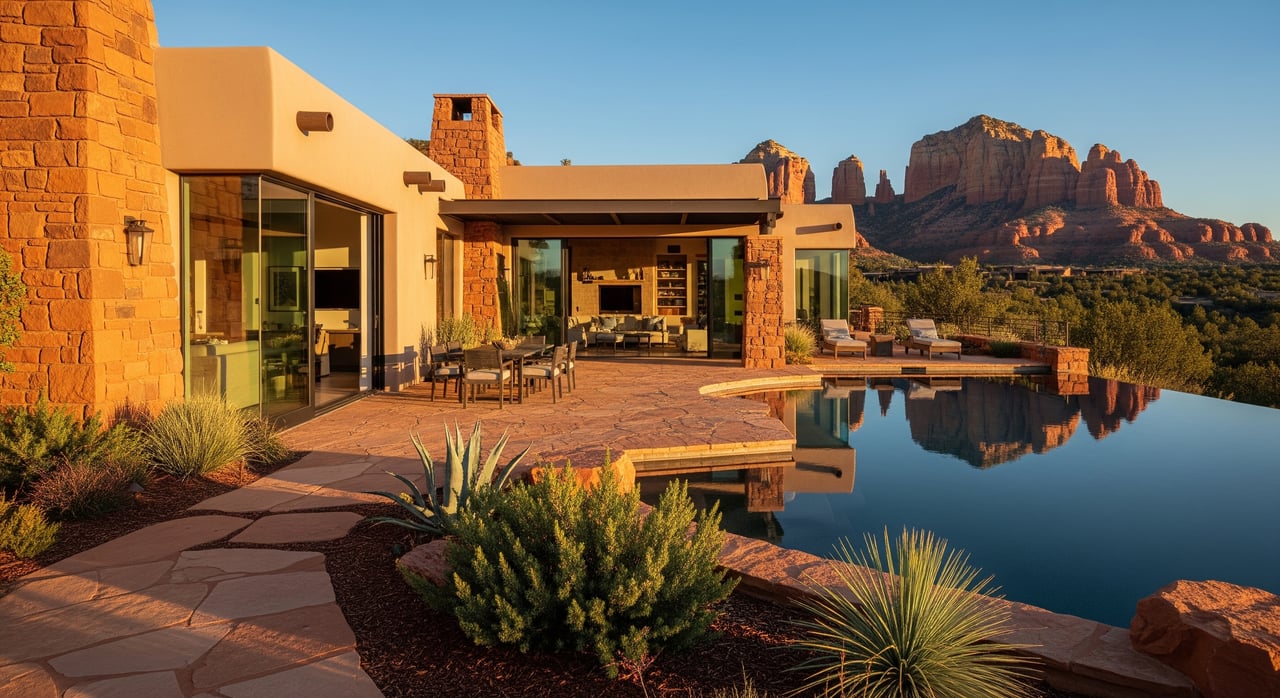
Eyeing a red rock view home in 86351 and want an edge at the table? Village of Oak Creek deals can move fast, and properties often come with unique features like HOAs, wells, septic systems, or hillside lots that impact value and terms. If you want to secure the right home without taking on the wrong risks, you need a plan that blends local insight with contract-level precision. In this guide, you’ll learn a JD-level playbook to structure, negotiate, and close your Village of Oak Creek purchase with confidence. Let’s dive in.
Why 86351 deals demand legal-grade strategy
Village of Oak Creek offers a mix of single-family homes, townhomes, and vacation properties, with many marketed as second homes or short-term rentals. Inventory can be tight, especially in winter and spring when demand picks up. You may encounter multiple-offer situations, appraisal gaps on premium view lots, and pressure to shorten contingencies. A clear, well-drafted offer helps you compete while protecting your interests if something unexpected surfaces.
Pre-offer prep that boosts leverage
Title and public record scan
Order or preview a title commitment early and check recorded easements, liens, and use restrictions. You can research recorded documents through the Yavapai County Recorder and cross-reference parcel data with the Yavapai County Assessor. Identifying road access, shared driveways, or atypical easements ahead of time strengthens your position and helps you shape clean, enforceable terms.
HOA readiness
Many VOC properties sit in HOAs or are subject to CC&Rs. Before you write, plan for a full HOA resale packet review including financials, meeting minutes, rules, rental policies, fees, and any pending litigation. Arizona provides a statutory framework for HOAs and condos under Title 33 of the Arizona Revised Statutes, which you can reference via the state’s Arizona Revised Statutes portal. Build time into your offer for a meaningful review or request documents in advance if possible.
Financing and appraisal planning
Secure a strong pre-approval and prepare for valuation challenges when lots, views, or unique features limit comparable sales. In your offer, align timelines with your lender, and anticipate how you’ll respond if the appraisal lands below contract price. A data-backed valuation approach makes your bid more credible and helps defend your number during negotiations.
Build a winning offer in Arizona
Use state forms wisely
Arizona buyers typically use standardized state forms that set default timelines and contingency language. You can review consumer guidance on disclosure and transaction practices through the Arizona Department of Real Estate. Stay within the framework of standard forms unless you have qualified guidance to add custom language.
Earnest money with guardrails
A larger earnest deposit can signal commitment, but you should tie release and forfeiture to clear contract events. Make sure escrow instructions and the purchase contract match. If you tighten timelines to compete, document precise conditions that allow you to recover your deposit if a contingency fails.
Contingencies that compete and protect
- Inspection contingency: Define the inspection scope and timelines, and specify how repair requests will be handled. Clarity reduces disputes.
- Financing contingency: Spell out deadlines and what constitutes a material financing failure.
- Appraisal contingency: Decide your remedy if the appraisal falls short, including potential price changes or buyer-funded gaps.
- Title contingency: Require the seller to cure listed defects or provide agreed remedies by closing.
- HOA document contingency: Reserve the right to cancel or renegotiate if HOA documents reveal adverse issues.
- Federal lead disclosure: For homes built before 1978, factor in the EPA’s lead-based paint disclosure requirements.
Advanced clauses that work in VOC
Escalation with proof
If you use an escalation clause, require the seller to provide written evidence of a bona fide competing offer and cap your maximum. Some sellers decline escalation terms, so confirm listing-side preferences in advance and be ready with a clean highest-and-best alternative.
Inspection cure tiers
Create a three-tier repair framework to reduce friction:
- Health and safety or structural defects require seller cure or a credit.
- Major systems like roof, HVAC, or septic are negotiated case by case.
- Cosmetic items are buyer-managed post-closing.
Define thresholds in dollars where appropriate so everyone understands materiality.
Appraisal gap structure
If you anticipate an appraisal gap, consider an addendum that states your maximum cash bridge, the seller’s obligation to adjust price, or a shared approach. Clear remedies upfront prevent late-stage stalemates.
Occupancy and rent-back
If the seller needs time after closing, consider a short rent-back with defined rent, term, insurance responsibility, and security. Clear possession terms can help you win without inflating price.
Local risk hot spots to address
Wildfire exposure and insurance
The Sedona region has wildfire exposure, which can impact insurability and premiums. Get insurance quotes early and factor mitigation into negotiations. Use resources like Firewise USA to understand defensible space. If applicable, negotiate for brush clearing or a closing credit.
Water and wells
If a property is served by a private or shared well, request recent water quality tests and well yield data. Confirm registration and available well information with the Arizona Department of Water Resources. If water quality or yield is in question, negotiate for remediation or credits.
Septic and wastewater
Septic systems require careful inspection and, in some cases, permits for repairs. Build in time for testing and confirm the expected permitting timeline with county officials. Allocate responsibility for repairs and reinspection to avoid delays.
Permits and unpermitted work
For additions, decks, conversions, or retaining walls, verify permits through Yavapai County Community Development. If work lacks permits, negotiate for retroactive permits, a price reduction, or escrowed funds at closing.
Easements and private roads
Confirm that access easements and private road maintenance agreements are recorded and clear. If obligations or costs are ambiguous, address them before your inspection period ends or seek a seller credit to cover risk.
Short-term rentals and CC&Rs
If you intend to operate a short-term rental, verify both zoning and HOA rules on rentals. Document your review period in the contract and avoid relying on verbal statements. Income expectations should match what the rules allow.
Buyer-friendly timelines and checklists
Pre-offer checklist
- Pre-approval letter or proof of funds.
- Preliminary title review and key recorded documents.
- HOA resale packet or an explicit HOA contingency with adequate time.
- Recent comps and days-on-market for 86351.
- Property-specific due diligence as feasible: general inspection, septic, well, roof, wildfire risk review.
- Early insurance quotes for homeowners and wildfire coverage.
Sample contingency timelines
- Earnest money deposit: per contract, typically immediately after acceptance.
- Inspection period: about 7 to 15 days in competitive settings; confirm local norms.
- Financing timeline: often 21 to 30 days based on lender.
- HOA document review: plan 3 to 10 days depending on volume and complexity.
Shorter timelines can strengthen your offer, but only if your prep work is complete.
When to bring in specialists
- Title complexity: unresolved liens, boundary disputes, or access easements.
- Estate, probate, or trust sales with complex authority.
- Significant HOA litigation or material risks in minutes or financials.
- Custom clauses such as rent-backs, seller financing, indemnities, or liquidated damages.
- High earnest money exposure with tight contingencies.
Work with a negotiator who knows 86351
A strong Village of Oak Creek offer balances speed with protection. When you pair local insight with precise contract language, you can win the right home without taking on the wrong risk. If you want senior-level guidance at every step, connect with Liz Adams to map your strategy and timeline.
FAQs
How competitive should my contingencies be in Village of Oak Creek?
- It depends on current inventory and the property’s appeal. In multiple-offer settings, shorten timelines but keep core protections like inspection and financing so you do not accept unnecessary risk.
What is the safest way to handle appraisal gaps in 86351?
- Decide your remedies in writing upfront, such as a capped buyer cash bridge, a seller price adjustment, a split, or the right to cancel if the gap exceeds a threshold.
Do I really need an HOA document contingency?
- Yes. HOA rules, fees, and litigation directly affect use and value. Reserve time to review the resale packet and the right to cancel or renegotiate if you find material issues.
What specific local risks should I budget for in VOC?
- Wildfire exposure, well yield and water quality, septic condition, unpermitted work, hillside engineering, and private road maintenance agreements are common VOC focus areas.
Where can I find official guidance on Arizona disclosures and forms?
- For consumer guidance on disclosures and transaction practices, visit the Arizona Department of Real Estate. For flood mapping, use the FEMA Flood Map Service Center.