One West Sedona block can swing a price by six figures. You might tour two similar homes and wonder why one feels pricier. In a market where views, trail access, traffic patterns, and even which side of the street you are on change the experience, small details add up. This guide shows you how streets shape value in West Sedona and what to check before you buy or sell. Let’s dive in.
Why street-level detail matters in West Sedona
West Sedona centers around State Route 89A and stretches toward Airport Mesa and Boynton Canyon. The City’s Community Plan highlights West Sedona corridors and Community Focus Areas like the Soldiers Pass Road CFA, the Western Gateway CFA, and the Sunset Live/Work CFA, which signals where planning and circulation improvements may land next. You can see these priorities in the latest Sedona Community Plan.
At a citywide level, Sedona’s median sale price hovers around the low seven figures. Recent reporting shows typical prices in the roughly 1.2 million dollar range, which means a 5 to 15 percent difference from a view or a quiet cul-de-sac can translate into very large dollar amounts. For a current snapshot, review the Sedona market overview.
View corridors and the view premium
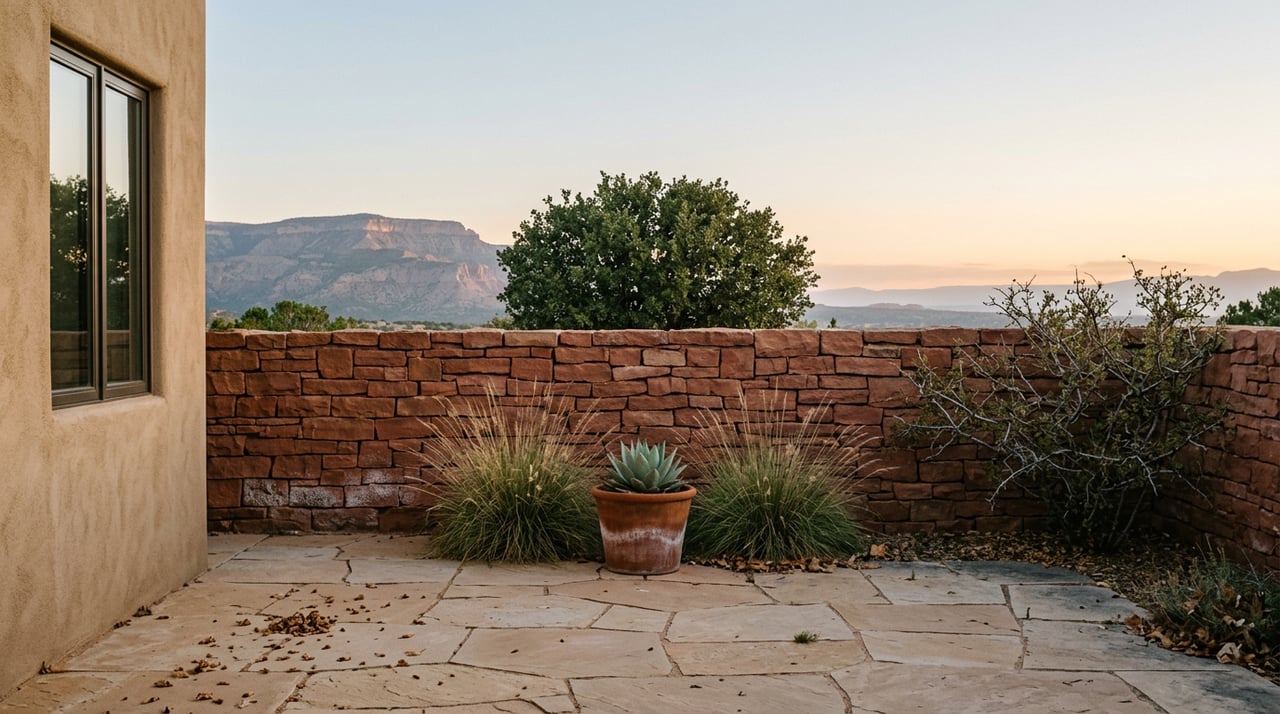
Unobstructed red rock views are West Sedona’s signature amenity. Buyers consistently pay for quality views, similar to how urban buyers pay for walkability. Industry syntheses of hedonic studies place many view premiums in the single digits to low double digits, with top-tier panoramic views at the high end of that range. For a deeper look at how professionals quantify view quality, see this overview of pricing landscape quality.
What raises value on your street:
- Streets that point toward formations like Thunder Mountain, Coffee Pot Rock, or Capitol Butte.
- Elevation and frontage that protect sightlines above neighboring roofs.
- Views from rooms you use daily, especially the main living area and the primary suite.
Quick checks you can run:
- Classify the view from each primary room as unobstructed panoramic, partial, glimpse, or blocked.
- Note whether neighboring lots or future construction could interrupt the view.
- Compare otherwise similar comps using your view labels to understand price differences.
Example: If similar homes trade near 1.2 million dollars and a meaningful view commands a 10 percent premium, that single factor can add about 120,000 dollars to buyer willingness to pay.
Trail access: boost or burden
Sedona’s trails draw people to West Sedona. A home within a pleasant 5 to 15 minute walk or short bike ride to a marquee trail can be a magnet for outdoor-focused buyers and second-home owners. The Airport Mesa Loop is a classic example of close-in access that many buyers prize. For trail context, review the Airport Mesa trail details.
At the same time, popular trailheads can bring weekend traffic and parking spillover to nearby residential streets. Some trailheads have managed parking or shuttle solutions, while others rely on on-site lots that fill during peak seasons.
How to evaluate a property near a trailhead:
- Identify the nearest trailhead and the typical use level during spring and fall peaks.
- Visit the street during sunrise and sunset on a busy weekend to observe parking and foot traffic.
- Check whether the trailhead has managed parking or shuttle service that reduces on-street pressure.
Traffic, arterials, and tourist congestion
Proximity to SR 89A delivers quick access to shops, services, schools, and the hospital. For some buyers, that convenience is a value add. For others, noise, visibility, and seasonal congestion reduce appeal. The City continues to invest in roadway and circulation improvements because traffic around key nodes shapes daily life. Local reporting covers these efforts, including ongoing traffic mitigation work.
Seasonality also matters. Visitor counts rise during spring break, fall color, and holiday weekends. Crowds have been mostly stable since 2019 relative to prior estimates, but the surges are still noticeable on key corridors and at signature attractions. For context on trends, see recent tourism reporting.
How to factor traffic into value:
- Homes directly on 89A or at busy intersections may trade at a discount for exposure and noise.
- Short walks to services can boost value for buyers who prioritize convenience.
- Always evaluate the street at peak and off-peak times and review traffic counts through ADOT’s monitoring tools.
Street orientation and micro-climate
Orientation shapes light, shade, and outdoor comfort in Sedona’s high-desert climate. On east-west streets, one side tends to have more south-facing exposure and the other more north-facing exposure. That can mean warmer winter sun or hotter summer afternoons depending on which side of the block a home sits on.
How to read orientation on the ground:
- Stand in the main living area and on the patio to note which direction they face.
- Consider how afternoon sun, prevailing winds, and shade influence outdoor rooms.
- Highlight orientation in your valuation when it meaningfully changes comfort or energy use.
Lot position and street type
Cul-de-sacs and short courts often carry a quiet premium thanks to limited through traffic. Corner lots can offer extra yard and visibility, but headlights, two street exposures, and occasional foot traffic can be tradeoffs. Mid-block parcels often win on privacy if other factors are equal.
How to factor position into comps:
- Note whether the home sits at the end of a cul-de-sac, mid-block, or on a corner.
- Adjust for privacy, traffic volume, and sightlines from neighboring homes.
- Pair lot position with other drivers like view quality and arterial proximity to get the full picture.
Micro-pockets of West Sedona: how it shows up on the ground
Airport Mesa and Tabletop
Homes on and around the mesa lean heavily on iconic views and trail proximity. The Airport Mesa Loop is a short drive away and delivers instant access for sunrise or sunset outings. Some buyers factor in small-aircraft activity near the airport, which can be a consideration if you are noise sensitive. For trail context and terrain, see the Airport Mesa loop overview.
West Sedona commercial corridor and Western Gateway
Along and just off SR 89A, you trade convenience for exposure. Quick access to retail, services, and the western trail network is a plus for many buyers. The City identifies the corridor as a Community Focus Area in the Sedona Community Plan, so zoning, access, and streetscape refinements here can affect both day-to-day livability and long-term value.
Soldier Pass and Dry Creek adjacencies
These pockets are popular thanks to proximity to renowned trails and scenic attractions. On busy weekends, you may see heavier pedestrian activity and on-street parking near trail access points. If you prize quick morning hikes, that energy can feel like a lifestyle upgrade. If you want calm at the curb, you will want to observe the street during peak hours before committing.
Sunset Drive and Sunset Village
Product mix plays a role in value. The Sunset Drive area sits near a 55-plus community that follows its own price and feature expectations, often with more emphasis on walkable services and day-to-day convenience. For a community overview, visit Sunset Village.
A block-by-block checklist you can use
Here is a practical sequence to compare two similar homes on neighboring West Sedona blocks:
- Quick parcel and topography scan
- Pull parcel boundaries, lot size, slope, and elevation from City GIS or the county assessor.
- View quality and durability
- Map sightlines from the main living area and primary suite. Ask whether future building could interrupt the view.
- Street classification and traffic
- Identify whether the street is an arterial, collector, or local street. Check counts and patterns with ADOT traffic monitoring. Visit at sunrise, midday, and sunset on a weekend.
- Trailhead proximity and management
- Note the nearest trailhead and how parking is managed. Visit during peak seasons to see if parking spills onto residential streets.
- Zoning, height, and scenic protections
- Review the Sedona Community Plan and Land Development Code references for hillside and scenic protections that affect future view impacts.
- Short-term rental context
- A high concentration of short-term rentals can change street dynamics and comparables. For broader context on STR impacts in Sedona, see this reporting on rentals.
- Curb and pedestrian environment
- Look at curb cuts, sidewalks or shared paths, lighting, and on-street parking rules that shape daily usability.
- Wildfire and resiliency
- Note defensible space, Firewise practices, and the surrounding vegetation. These factors can influence insurance and buyer comfort.
- Confirm and adjust comps
- Pull the most recent 3 to 6 closed sales on the same or adjacent blocks. Adjust for view, orientation, lot position, trail and arterial proximity, and any STR or zoning nuance. If the spread is wide, explain the “why” in your pricing narrative.
What this means for you as a buyer or seller
If you are buying, focus your tours on streets that match your lifestyle and tolerance for activity. A quiet cul-de-sac with partial views may feel better than a busier corner with a postcard view, or vice versa. Test the street at multiple times of day, especially during high season.
If you are selling, position your home by leading with the street factors buyers value most. That might be an unobstructed living room view, a south-facing patio that is comfortable year-round, or a 10 minute walk to a favorite trail. Spell these out in your marketing, and price against the best, most recent on-street comps.
For both sides, the takeaway is simple: in West Sedona’s price band, small percentage differences add up quickly. A careful street-by-street analysis protects you from overpaying and helps you capture the premium you deserve when you sell.
Ready to compare two specific streets or dial in your pricing strategy? Schedule a free, senior-level consult with Liz Adams to get a tailored, block-by-block plan.
FAQs
How much is a red rock view worth in West Sedona?
- Studies show many view premiums fall in the 5 to 20 percent range, with top-tier panoramas higher; on a 1.2 million dollar price point, that can mean six figures of value.
Are homes near trailheads always worth more in West Sedona?
- Not always; close trail access appeals to outdoor-focused buyers, but busy trailheads can create parking and foot-traffic spillover on peak weekends, which some buyers discount.
Does living on or near 89A always hurt resale?
- It depends; convenience to shops and services can add value for some buyers, while others discount for noise and exposure, so you need block-specific comps and peak-hour visits.
Which lot positions usually feel most private?
- Mid-block and end-of-cul-de-sac lots are often preferred for privacy and low traffic, while corners can trade extra yard and visibility for more exposure to headlights and passersby.
How do seasonal visitor surges affect daily life and value?
- Spring and fall peaks bring noticeable congestion near key corridors and trailheads, so test-drive the street during busy weekends and factor any noise or parking into your valuation.