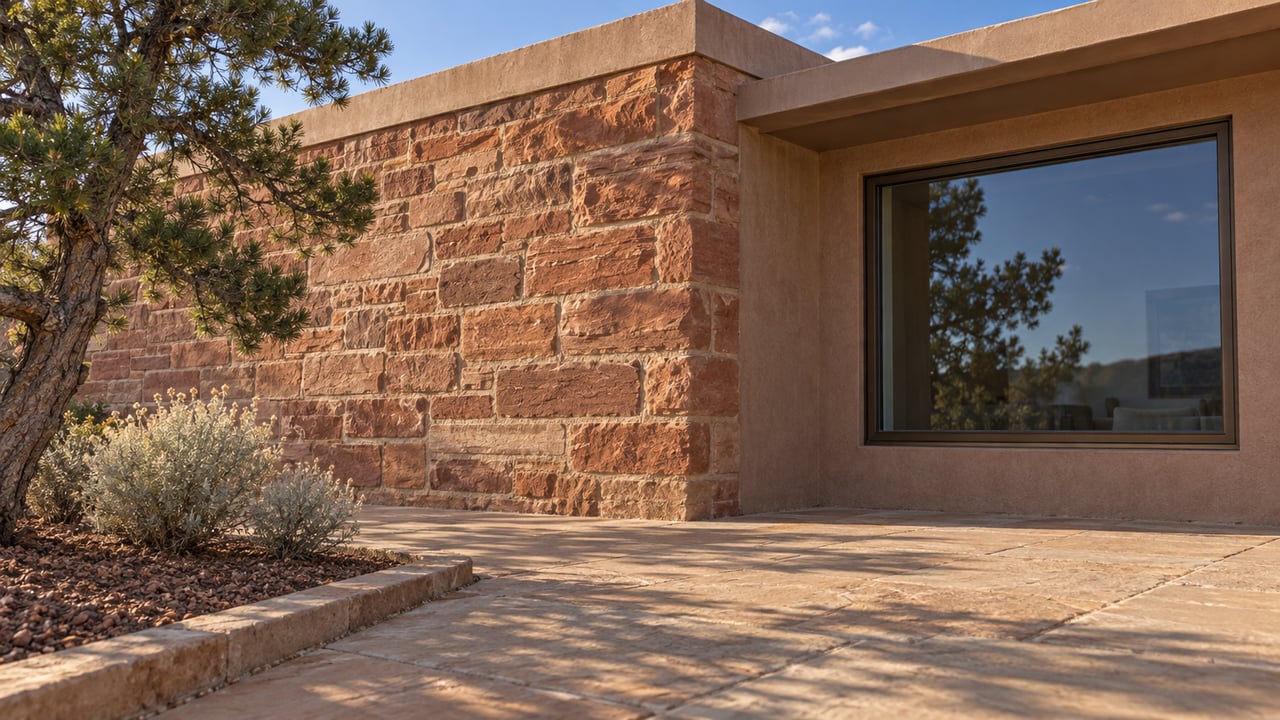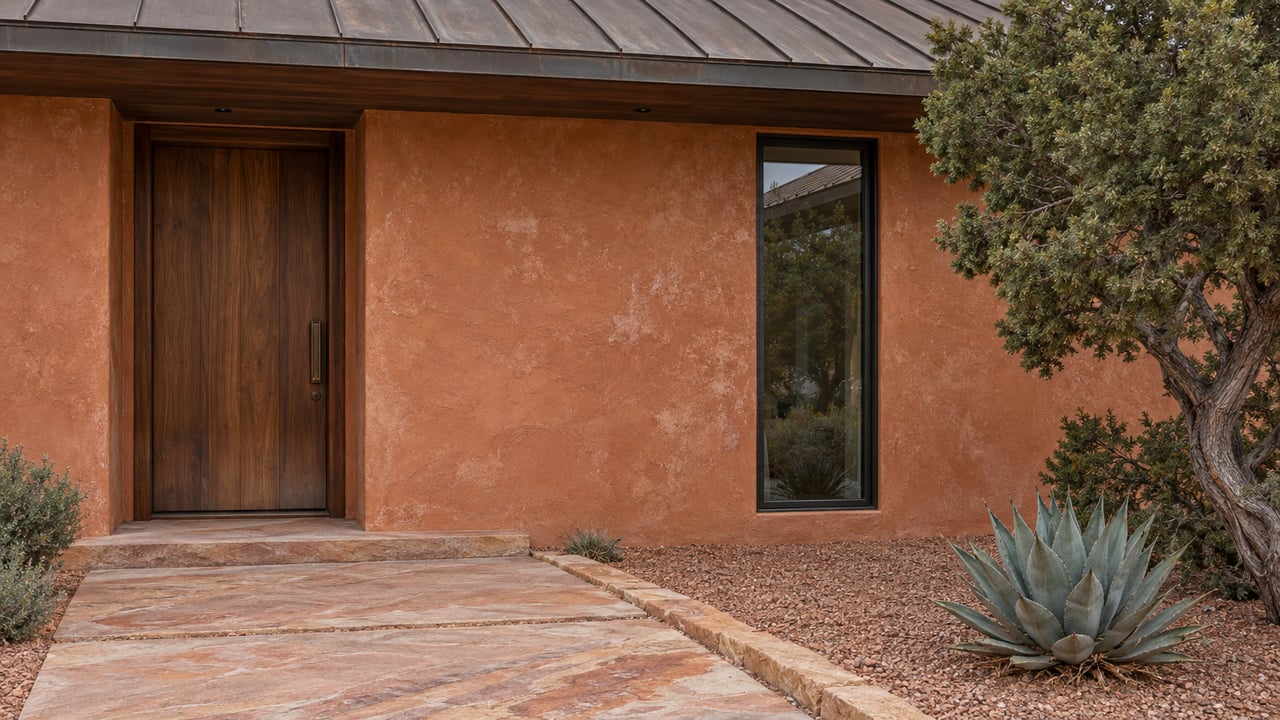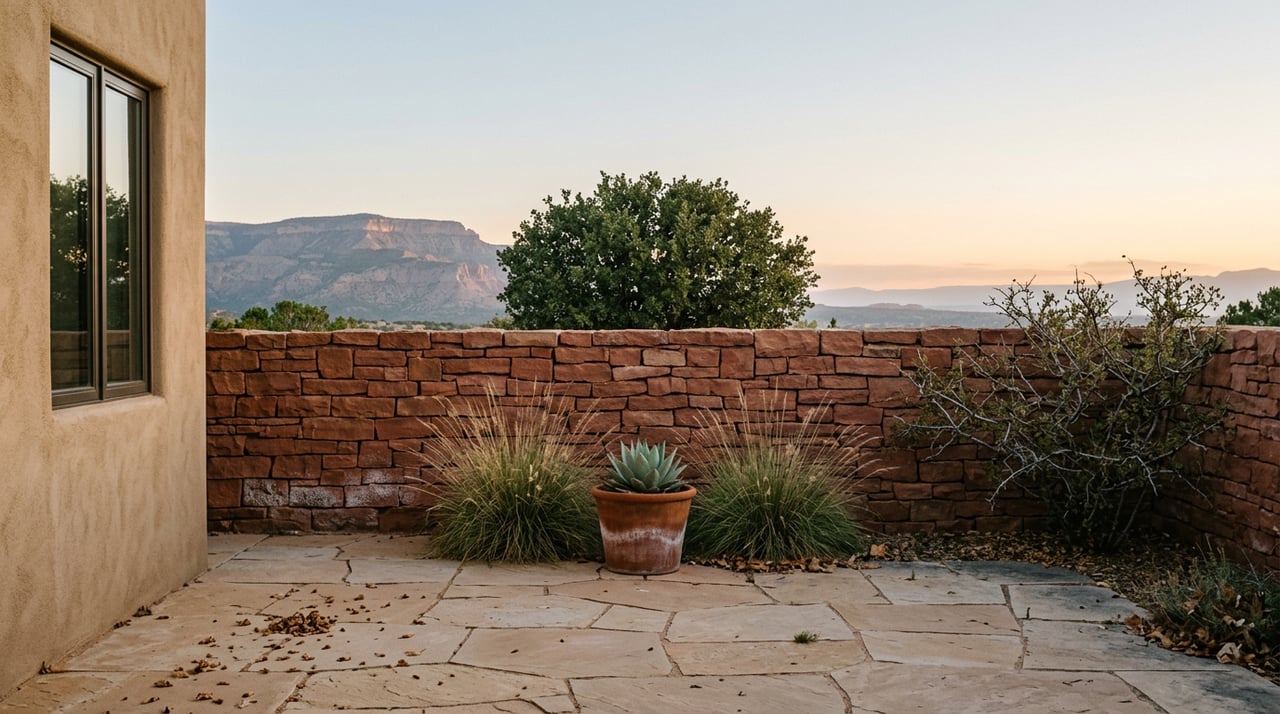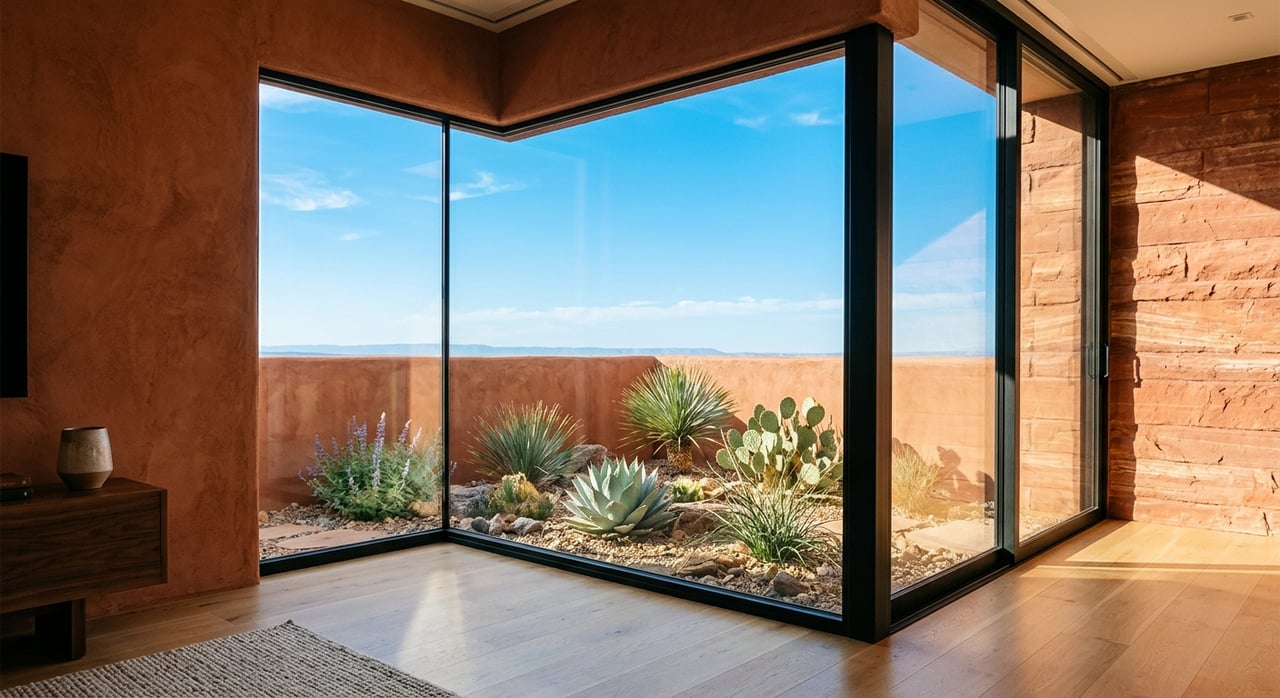
If you are buying a view home in Uptown Sedona, you are not just buying square footage. You are buying sight lines, elevation, orientation, and the long-term odds that your red rock backdrop will still feel special years from now. That can make the process exciting, but it also means you need to look past the photos and ask sharper questions. This guide will show you what really shapes a view in Uptown, what local rules can affect it, and how to evaluate a property with more confidence. Let’s dive in.
Why Uptown views stand out
Uptown Sedona sits in one of the city’s most visually sensitive areas, and the city’s planning materials consistently emphasize scenic beauty, low-profile building forms, and protection of view corridors. The 2024 Sedona Community Plan also identifies Uptown as an area likely to see future development or redevelopment through a Community Focus Area planning process.
That matters if you are buying here. In Uptown, the value of a home often comes from how it is positioned on the land, not simply how large the parcel is. Recent public listing patterns show many view homes on modest lots, often around 0.27 to 0.43 acres, with elevation and siting doing much of the heavy lifting.
What makes an Uptown view home valuable
Elevation often matters most
In Uptown, a home perched above the surrounding street pattern may offer a stronger and more durable viewing experience than a larger but flatter parcel. Public listings frequently describe homes as set high on a hill, above Uptown, on a private hill, or at the end of a cul-de-sac.
That pattern tells you something important. When buyers pay a premium for a view in this part of Sedona, they are often paying for topography and placement rather than lot size alone.
Orientation shapes daily enjoyment
A great view is only as useful as the way you live with it. In many Uptown homes, the strongest sight lines are oriented toward the back of the house, with large windows, decks, or upper-level living areas facing the red rocks.
You should pay close attention to where the main living level sits. A beautiful view from a secondary balcony is not the same as a view you enjoy from the kitchen, great room, or primary suite every day.
Landmark views carry added appeal
Public listings for Uptown homes often mention direct red rock views, panoramic views, and named formations such as Thunder Mountain, Chimney Rock, Cathedral Rock, and nearby forest backdrop. Those landmark references can help explain why two homes with similar size and finish level may feel very different in person.
Still, the best question is simple: what do you actually see from the rooms you will use most? A dramatic photo gallery can be less meaningful than one well-framed, protected sight line from your main living spaces.
Why lot layout matters more than you think
Hillside rules affect design
Sedona has specific standards for hillside development areas where average slopes exceed 15 percent. That is directly relevant in Uptown, where many view lots sit on sloped terrain.
The city’s code says building pads should not be located on or near ridge crests, and if they are near a crest, they should be set back so the structure is not silhouetted and existing trees can screen it. For buyers, that means the homes with the best views are often balancing scenery with strict visual and topographic constraints.
Access can be unconventional
Because of topography and local subdivision standards, some Uptown homes rely on shared drives, narrow access spurs, or cul-de-sac settings instead of standard suburban street layouts. Sedona’s code also requires residential lots to abut a public or private street and sets rules that respond to terrain, drainage, rock outcrops, native vegetation, and trees.
This can affect both convenience and future building potential. A property may look simple on a listing sheet, but the access arrangement can influence setbacks, building envelope, and the way the site functions day to day.
Small parcels can feel tighter than expected
On smaller Uptown lots, available building area may be more limited than buyers first assume. Sedona counts patios, walkways, and driveways in total lot coverage, not just the house footprint.
That is especially important on private streets or easements, where setbacks are measured from the edge of the access easement rather than the property line. In some planned developments, final plats may also impose extra setbacks or specific building envelopes.
How local rules can protect or change a view
Sedona strongly protects visual character
Sedona’s land-development system is unusually focused on preserving scenic beauty and community character. The city’s design standards address building color, materials, lighting, fences and walls, screening, and height.
For single-family homes, the city’s guide says height is generally limited to 22 feet above natural grade, while the code also contains a 40-foot maximum overall height provision. The guide notes that alternate standards can allow more height in some cases, so buyers should avoid making assumptions based on one number alone.
Low-profile design is part of the setting
The city also requires underground utilities and fully shielded exterior lighting for single-family homes. Those standards help preserve the clean, low-clutter look that many Uptown buyers want when they invest in a scenic property.
In practical terms, this means the visual quality of an Uptown street is shaped by more than the house next door. Lighting, utility placement, materials, and profile all contribute to how open and natural the area feels.
Future change is possible, but likely targeted
The city’s current planning work suggests Uptown will remain an active area for parcel-specific redevelopment and public improvements. The Uptown Community Focus Area process remains on the city’s action list, and related projects include viewshed analysis, roadway and pedestrian changes, retaining walls, landscaping, signage, and parking management.
Based on the city’s current plans and projects, the more likely near-term changes appear to be targeted redevelopment, circulation changes, and streetscape upgrades rather than broad skyline-scale growth. That is a reasonable planning inference, not a promise about any specific neighboring parcel.
How to judge whether a view is durable
A lasting view premium usually comes from something more solid than an empty lot next door. In Uptown, the most durable views are often backed by topography, recorded building envelopes, or zoning constraints rather than temporary open space.
That is where disciplined due diligence matters. You want to understand not only what you can see today, but also what could legally change tomorrow.
Ask these view-protection questions
When you evaluate an Uptown view home, ask questions like:
- Is the best view from the main living level or only from a secondary deck?
- What can the adjacent parcel legally build?
- Is access shared or easement-based?
- Do recorded plats or CC&Rs add limits on height, access, or rentals?
- Could future parking or roadway changes alter the street setting in front of the house?
These are not small details. In a view-driven market, they can directly affect enjoyment, resale strength, and your comfort level after closing.
The records buyers should review
Start with the city GIS
Sedona’s GIS viewer is a useful starting point for parcel boundaries, zoning, future land use, flood zones, trails, and building footprints. The city also notes that this information is for general planning purposes and is not survey-grade.
That means GIS is a strong first screen, not the final answer. It helps you identify what to investigate further before you rely on a parcel map or apparent setback in the field.
Confirm details with Yavapai County
For recorded facts, Yavapai County’s parcel search is the better tool for checking address, owner, subdivision, parcel history, and related tax and assessment information. If you want to know what is actually on record, county data is the more dependable checkpoint.
This becomes especially important when a home’s value depends on what can or cannot happen nearby. A beautiful view should always be paired with a clear understanding of the legal and recorded framework around it.
Read the plat and CC&Rs carefully
The city does not review HOA rules, so buyers need to verify recorded CC&Rs, plats, building envelopes, and any rental restrictions for themselves. In Uptown, public listings show a mix of no-HOA properties and homes with CC&Rs that may restrict short-term rental use.
Even if rentals are not your focus, recorded restrictions can still affect how neighboring lots are improved. If you are making a premium purchase, this is not paperwork to skim.
A smart due-diligence checklist
Before you commit to an Uptown Sedona view home, make sure you:
- Confirm zoning in the city GIS
- Pull parcel history in Yavapai County records
- Read the final plat and any CC&Rs
- Verify setbacks if the lot uses a private street or easement
- Inspect whether rooflines, decks, or fence heights affect views from the living areas and the street
- Evaluate whether the view is supported by topography or only by current vacancy next door
A careful review at this stage can save you from expensive surprises later. It can also help you compare two similar homes more intelligently when one view is truly more defensible than the other.
Buying with a sharper strategy
In Uptown Sedona, the best view homes usually combine scenery, smart orientation, and a legal setting that supports long-term value. The home that looks most dramatic online is not always the one with the strongest resale story.
If you approach the search with a disciplined eye, you can separate a temporary wow factor from a view that is likely to hold up over time. That is where experienced local guidance can make a real difference, especially in a market where topography, plats, access, and development rules all intersect.
If you want a thoughtful second opinion on an Uptown view property, or you want help comparing homes with a closer eye on risk, resale, and view durability, schedule a free consultation with Liz Adams.
FAQs
What makes a view home in Uptown Sedona different from other Sedona homes?
- Uptown view homes often derive value from elevation, orientation, and hillside siting rather than lot size alone, and local design and development rules play a major role in how those views are preserved.
How can you check what may be built next to an Uptown Sedona home?
- You can start with Sedona’s GIS viewer for zoning, future land use, and parcel context, then confirm recorded parcel history and related details through Yavapai County.
Why do easements and private streets matter when buying an Uptown Sedona view home?
- On private streets or easements, setbacks are measured from the edge of the access easement rather than the property line, which can affect buildable area and how a small hillside parcel functions.
Are views in Uptown Sedona protected by local rules?
- Sedona’s land-development standards strongly emphasize scenic beauty, low-profile design, hillside sensitivity, lighting control, and height-related limits, but no buyer should assume a specific private view is permanently protected without reviewing the parcel-level facts.
What records should you review before buying an Uptown Sedona view property?
- You should review city GIS data, Yavapai County parcel history, the final plat, any recorded CC&Rs, and any building-envelope or setback conditions tied to the lot.
What is the biggest mistake buyers make with Uptown Sedona view homes?
- A common mistake is assuming today’s open sight line is permanent without checking topography, zoning, recorded envelopes, access constraints, and the legal development potential of neighboring parcels.